
Sustainable Agriculture: The Beewise robotic beehive climbs to the top of the global GreenTech rankings
Forward Fooding’s prestigious FoodTech 500 ranking evaluates technology companies each year based on their size, online presence, and tangible impact on sustainability. In this fiercely competitive field, Beewise achieved the remarkable feat of securing 25th place out of more than 1,400 entries from 80 countries.
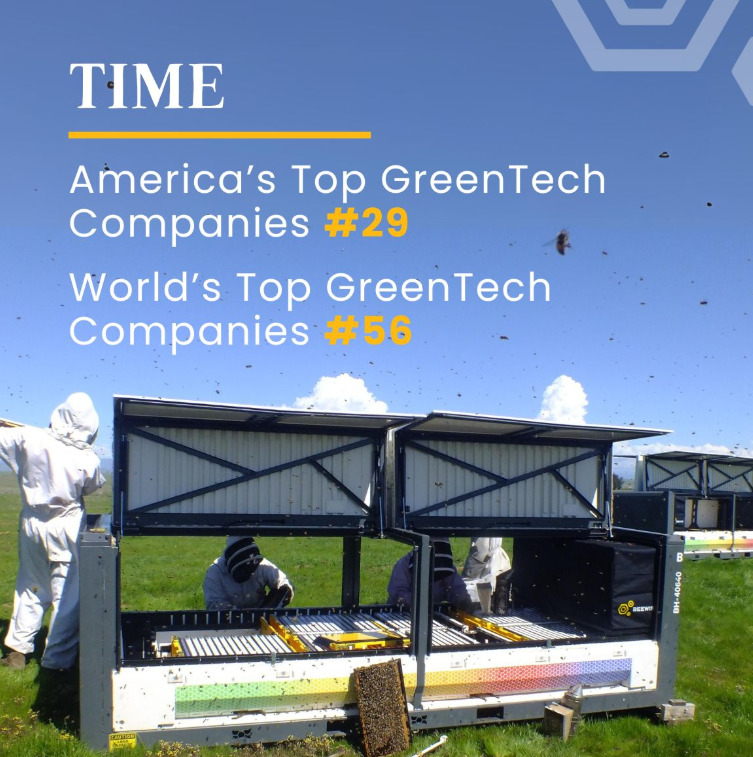
This award is by no means an isolated one. In *Time* magazine's global ranking of technology companies focused on environmental sustainability (GreenTech), Beewise ranked 29th among the best companies in the United States and 56th worldwide.
These awards highlight the importance of protecting biodiversity. Thanks to its advanced technology, the company creates a safe and healthy environment for these valuable pollinators, thereby significantly reducing their mortality rate while improving agricultural yields by at least 50%.
Beewise Compared to Other Global Giants in the Green Transition
To understand Beewise's performance, it's worth looking at who else is at the top of these global rankings. Alongside Beewise in the Top 30 are companies with complementary approaches:
- Apeel Sciences (Crop Protection): This company creates a thin, invisible, edible, plant-based protective coating for fruits and vegetables. This doubles their shelf life and significantly reduces food waste.
- Bowery Farming (Urban Vertical Farms): A leader in indoor farming, the company grows lettuce and herbs by stacking crops in automated warehouses, using 95% less water than traditional farming.
While these tech leaders focus on processing products or growing them indoors, Beewise sets itself apart by tackling the very root of global agriculture: the survival of outdoor bees.
The Enormous Economic Impact on the Agricultural Industry
The decline of bees is not just an ecological tragedy; it is a direct financial threat to the global food supply. More than a third of the food we consume depends directly on pollination (fruits, vegetables, almonds, and coffee). Without bees, crop yields would plummet and prices would skyrocket.
By keeping colonies healthy, the BeeHome system increases agricultural yields by 50%. For producers, this ensures consistent harvests year after year, stabilizes the supply to stores, and reduces the use of chemicals and temporary rental hives, which are very costly to the industry.
Beekeepers' Stories: The Everyday Revolution
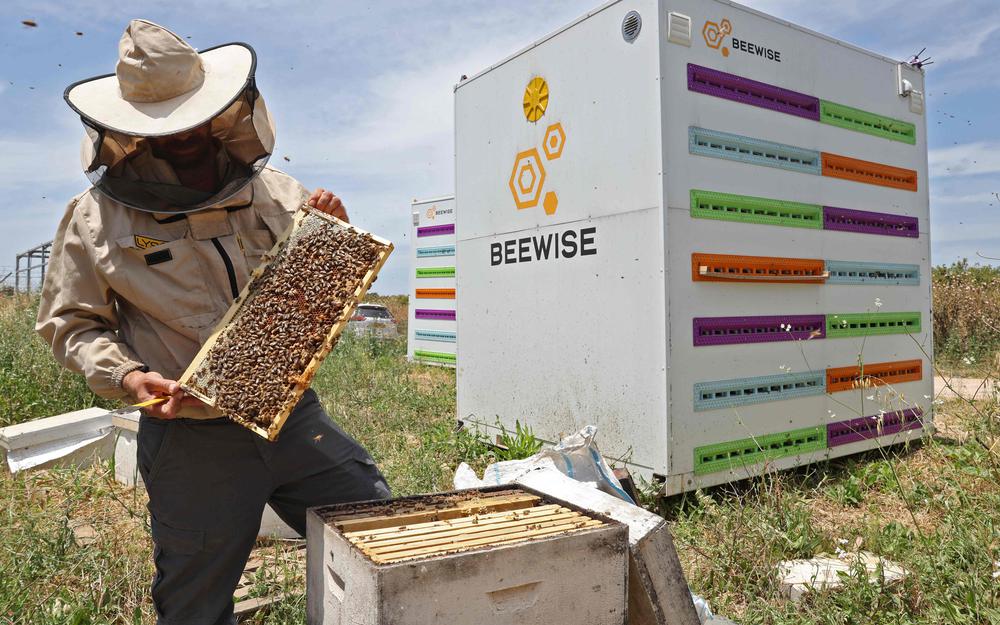
The BeeHome unit is a large, self-contained structure powered by solar energy. Inside, a robotic arm equipped with artificial intelligence continuously monitors the insects. The system regulates temperature, distributes food, detects diseases, and eliminates pests without the use of chemicals. Feedback from professionals who have taken the plunge attests to a life-changing experience:
“We used to lose between 30% and 40% of our hives every winter due to diseases and unpredictable cold snaps. Since we started using Beewise’s connected container, our losses have dropped to less than 8%. The robot handles the daily tasks and alerts us on our smartphones only when human intervention is absolutely necessary. This saves us valuable time.”
Today, the Beewise network supports more than 7 billion bees. In addition to helping them live longer, the solar-powered hives of the future prevent up to 600 metric tons of CO₂ emissions for every 1,000 units deployed.
What is the return on investment for green tech investors?
For investors interested in private companies, Beewise's technology offers a particularly robust financial model:
- Regular and predictable revenue: Beewise doesn't just sell equipment. The company uses a hybrid model in which farmers and beekeepers rent smart hives and pay a subscription fee for access to real-time monitoring software. This model ensures excellent financial visibility.
- Proven commercial effectiveness: The return on investment for the buyer is extremely fast. By reducing bee losses by 80% and increasing honey and crop yields by half, the machine pays for itself in just a few seasons, which is accelerating its adoption around the world.
Beewise thus demonstrates that it is possible to balance the economic profitability of a growth investment with the essential preservation of our ecosystems.




.webp)