
Beewise's beekeeping robot named one of the best inventions of 2026 by TIME
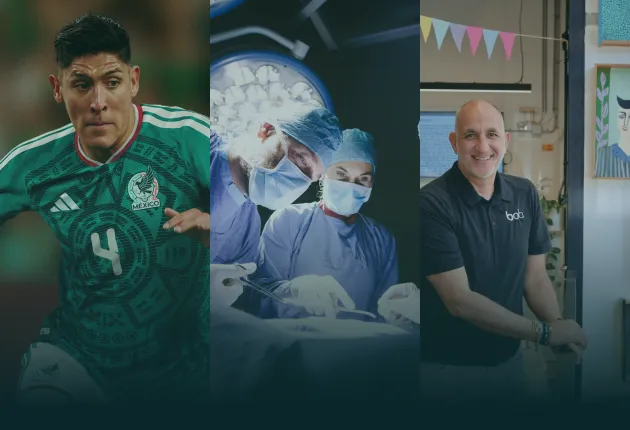
1,200 bee colonies cared for in one year by a robot in California’s Central Valley and Florida. This robot is ROBI, the latest creation from Beewise, which TIME magazine has just named one of the best inventions of 2026. Featured in the Vintage FPCI Altaroc Odyssey 2021, the Israeli company made a name for itself with BeeHome, a robotic hive that continuously monitors and cares for the bees it houses. But BeeHome could only care for its own colonies. ROBI, on the other hand, uses its wheels to travel to the hives and, with its robotic arms, tends to the bees just as a beekeeper would, allowing the beekeeper to monitor their colonies remotely.

Motorq Makes Subaru Vehicle Data Available to Corporate Fleets
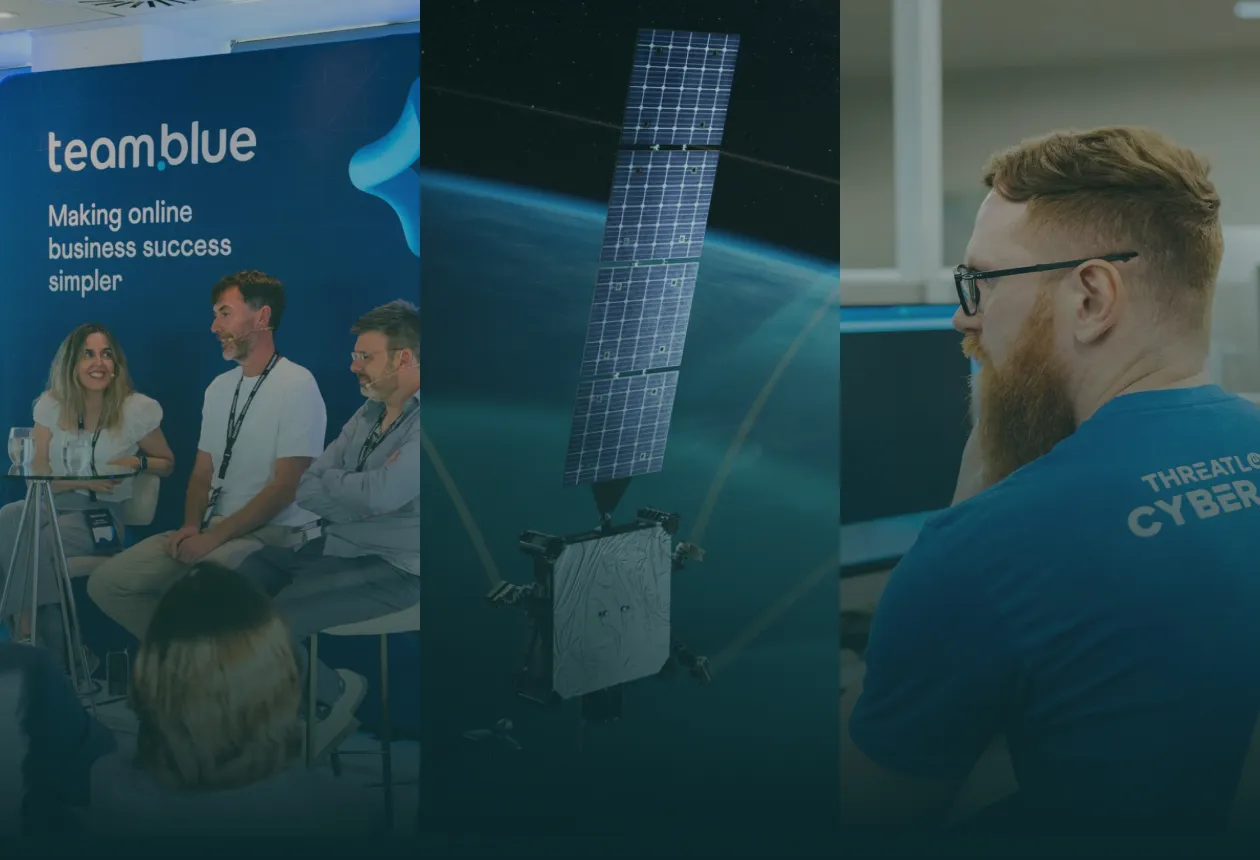
For the first time in the United States, the iconic Japanese brand Subaru is sharing its vehicle data with Motorq. The San Francisco-based company, which operates at Vintage FPCI Altaroc Odyssey 2021, analyzes 250 billion data points each month (mileage, vehicle locations, malfunctions) and provides them to the world’s largest fleet managers. Until now, fleet managers had to install a tracking device in every car—a costly piece of equipment that was prone to failure. Starting with 2027 models, location, mileage, and breakdown alerts will be transmitted directly from factory-installed sensors to the Motorq platform. Its artificial intelligence analyzes this data to anticipate maintenance needs and reduce costs. Each new automaker that joins the network further strengthens Motorq’s role as a bridge between the factory and fleet managers.

IFS Brings Artificial Intelligence Under Control in the Manufacturing Industry
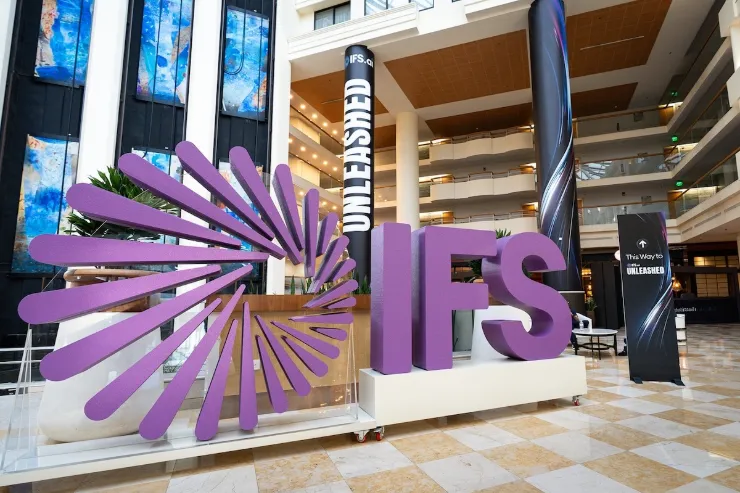
Two out of three companies plan to invest in artificial intelligence agents within the next year, but only 5.7% trust them to act on their own, according to Futurum (a leading consulting firm for tech giants). Mistrust persists: these autonomous programs intervene directly in a company’s systems, and in a factory or power plant, even the slightest error can be costly. IFS, the Swedish industrial software giant and co-investor in the Vintage FPCI Altaroc Odyssey 2022, has just unveiled the Industrial AI Harness. This regulatory program restricts each agent to only the permissions of the employee using it, monitors its actions, logs them one by one, and calls on a human when in doubt. For companies like TotalEnergies and Japan Airlines—which have been IFS clients for years—AI can thus gradually transition from the role of assistant to that of operator.
Flo Health Partners with Google to Better Support 80 Million Women
More than 80 million women use the Flo Health app every month to track their menstrual cycles. Their data will soon be able to be cross-referenced with data from Google’s smartwatches. The app, developed by the British company Flo Health—which was featured in the Vintage FPCI Altaroc Odyssey 2021—has just formed a partnership with the American tech giant Google. Starting in 2027, users will be able to link Flo to the Google Health app, which aggregates data on sleep, heart rate, and skin temperature measured by Pixel Watch and Fitbit watches and wristbands. When combined with data from Flo Health, these measurements will enable personalized health and wellness advice tailored to each phase of the menstrual cycle. Sharing remains optional, with consent granted on a data-by-data basis, and will never be used to personalize ads. The two companies plan, eventually, to jointly develop connected devices designed to improve women’s daily lives.

Cleerly is traveling across the southern United States to prevent heart attacks
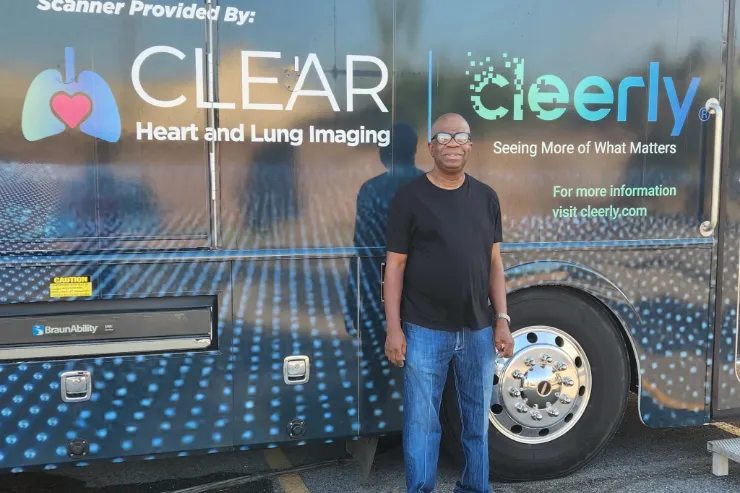
For three months, a truck equipped with a cardiac scanner traveled throughout Arizona, Louisiana, Georgia, and Florida to provide cardiac scans to thousands of patients in these remote areas who lacked access to imaging equipment. The tour was organized by Cleerly, a Denver-based company featured on the webVintage ,FPCI ,Altaroc , and Odyssey 2025. The stakes are high: more than 680,000 Americans died from heart disease in 2024, often without any warning signs. On board, the scanner captures an image of the heart in a single heartbeat. Cleerly’s artificial intelligence then measures plaque (fat and calcium deposits that narrow the arteries) and classifies the disease into four stages (no plaque, mild, moderate, severe). The American company’s tour also gives these thousands of patients access to TRANSFORM, the clinical trial aimed at scientifically proving, by 2029, that this method prevents more heart attacks than traditional monitoring of cholesterol or blood pressure.