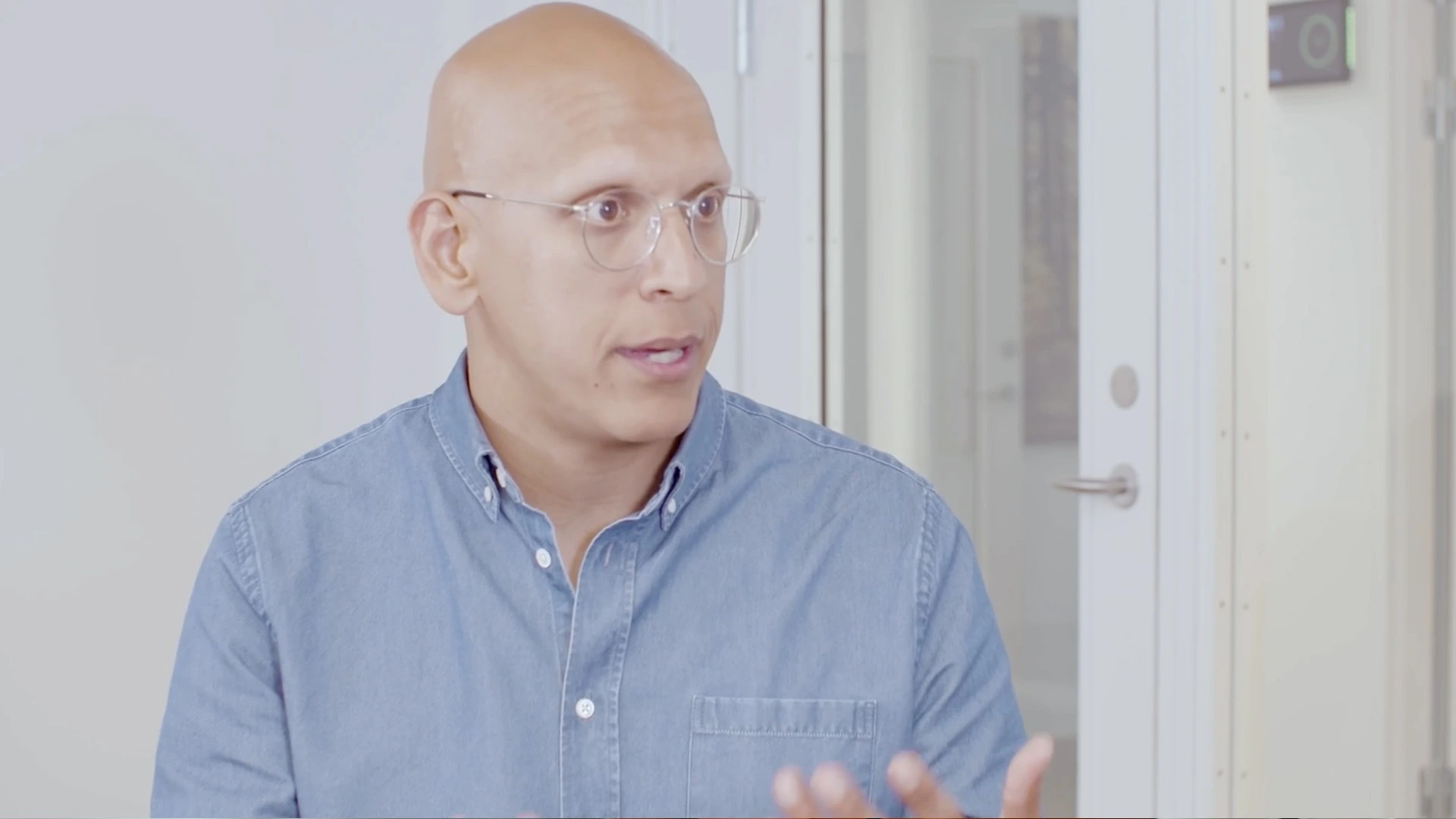
“To make secondhand shopping the first choice, we need to be the most cost-effective, the most reliable, and the easiest to use. This means building a comprehensive peer-to-peer marketplace that maximizes value for users,” says Thomas Plantenga, CEO of Vinted.
In 2025, Vinted members traded nearly 11 billion euros worth of products (up 47% year-over-year), enabling the Lithuanian unicorn to generate 1.1 billion in revenue, 38% more than last year.
Vinted’s growth in 2025 rests on two pillars. The first is the expansion of the range of products available for sale. While Vinted began as a secondhand fashion platform, it now offers books, electronics, toys, home decor, and children’s products. This evolution aims to position Vinted as the go-to destination for secondhand goods, extending far beyond the realm of clothing. The second pillar is its geographic footprint. By 2025, the company had established a presence in Latvia, Slovenia, and Estonia, while making significant investments in Germany, Portugal, and Spain to expand its offerings: setting up Vinted Go pickup lockers and rolling out its Vinted Pay solution. Furthermore, the company opened the doors to a massive market by entering the United States.
Vinted’s strategy is based on a simple observation: the lower the costs, the more attractive it becomes to trade low-value items, which expands the total secondhand market. Through its network of partners, Vinted provides access to more than 500,000 drop-off and pickup locations across Europe, making it easier to adopt non-home delivery solutions.

.webp)


.webp)
.webp)
.webp)