How to Invest in Private Equity: Six Principles for Structuring Your Approach
Published on
26
Amended on
26
How can you invest in private equity in a systematic way? Six principles underpin this approach: defining an appropriate time horizon, calibrating asset allocation, diversifying across fund classes, rigorously selecting managers, anticipating capital calls, and choosing a transparent advisory service.
This article has been automatically translated. Please excuse any inaccuracies or translation errors.
Dieser Artikel wurde automatisch übersetzt. Bitte entschuldigen Sie etwaige Ungenauigkeiten oder Übersetzungsfehler.
This article has been automatically translated. We apologize per inaccuracies or translation errors.
Ten years, or even longer: that is the potential lifespan of a private equity fund, during which it may be impossible to redeem shares, asthe French Financial Markets Authority(AMF) points out. Understanding how to invest in private equity therefore begins with a question of strategy: how much capital should be committed, in which vehicles, and over what time frame?
Investments can take many forms, ranging from direct equity investments in a company to investing in specialized funds. For strategies based on closed-end funds, the process involves, in particular, balancing the investment horizon, diversification, team selection, and cash flow management.
Six principles provide a framework for this discussion. They serve as an analytical framework for investors and the professionals who advise them, though they do not eliminate risks or guarantee performance.
How exactly do you invest in private equity?
Investing in private equity involves acquiring an equity stake in unlisted companies, either directly or through an investment vehicle. The process includes selecting an investment channel, verifying eligibility, analyzing the investment, and then subscribing and monitoring the investment.
Choose an appropriate access route
An individual may purchase shares in funds that are suitable for their investment profile. Depending on eligibility, certain funds may be held in a securities account, a PEA, or a PEA-PME, and sometimes as unit-linked investments in a life insurance policy. The available investment vehicles and terms vary by offering.
It is important to distinguish between a fund’s strategy and its investment approach. A fund’s investment mandate alone does not provide information about the companies it invests in, its diversification, or its exit strategies.
The minimum investment amount is also a condition specific to the product. It is not sufficient on its own to determine whether the investment is appropriate for a given financial situation.
Review the terms and conditions before signing up
Before making any commitment, the analysis focuses on the applicable documentation: the key information document (where required), the regulations or prospectus, the subscription form, and the terms of distribution.
The key points to identify are specific: total amount invested, payment terms, duration, fees, risks, redemption rules, and the investor’s obligations. The offering schedule is also important, as some funds can only be purchased during specific periods.
These checks address the issue of access. The following six principles help organize the investment beyond the subscription process.
Principle #1: Define a time horizon consistent with how the funds operate
Distinguishing Between the Duration of a Fund and That of a Program
The lifespan of a fund corresponds to its own cycle: investment, support for companies, followed by divestitures and distributions. An investment program, on the other hand, may bring together several funds that were established on different dates.
An investor who plans to make successive investments over a twenty-year period is thus building a long-term investment strategy. This does not mean that each fund lasts twenty years, nor that the final investments will be liquidated at the end of that period.
This distinction helps prevent a planning error: continuing to commit to new vintages may extend exposure beyond the initially envisaged time horizon. The date of the most recent commitments must therefore be consistent with future liquidity needs.
Understanding the Terms of Reinvestment
The distributions received can be retained, used to fund other obligations, or reinvested. Each choice affects the allocation trajectory.
However, capitalization does not function like a fixed-rate investment. Potential returns, their timing, and reinvestment opportunities remain uncertain.
A long-term horizon gives a strategy time to unfold. It does not turn a projected return into a guaranteed outcome, nor does it guarantee the return of principal.
Principle #2: Determine an asset allocation that is consistent with your net worth
Identify the capital that can actually be tied up
The amount to be committed depends on the ability to absorb a capital expenditure and a potential loss. This analysis must take into account foreseeable expenses, asset-related projects, debts, and available resources.
A substantial net worth may already be largely illiquid. Ownership of a business, real estate, or other long-term investments must be taken into account before taking on new financial obligations.
There is therefore no universal percentage allocation for private equity that suits all investors. The allocation must be assessed in the context of one’s overall portfolio, with a sufficient liquidity reserve.
Distinguishing Between Commitments, Payments, and Portfolio Value
In a capital-call fund, the commitment represents the amount that the investor agrees to contribute in accordance with the specified terms. Payments correspond to the amounts actually called for and paid.
The portfolio value is a third piece of information. It changes based on investments, valuations, fees, and distributions; it is neither the same as the initial commitment nor the cumulative contributions.
Illustrative Example
For a commitment of 100,000 euros, of which 30,000 euros have been drawn down, 70,000 euros remain to be financed, excluding any specific mechanisms provided for in the documentation. The corresponding cash balance cannot be considered definitively available for another project.
Principle #3: Spread investments across multiple vintages
Reduce reliance on a single investment period
A vintage generally refers to a fund’s reference year, depending on the convention used. Funds from different vintages may invest in distinct valuation, financing, and competitive environments.
Spreading investments over time is intended to avoid concentrating the entire allocation in a single period. This approach can complement diversification across managers, strategies, sectors, and geographic regions.
However, it does not guarantee that good and bad results will balance each other out, nor does it guarantee a specific average performance. Several vintages may remain exposed to the same economic factors.
Private Equity: Is Now the Right Time to Invest?
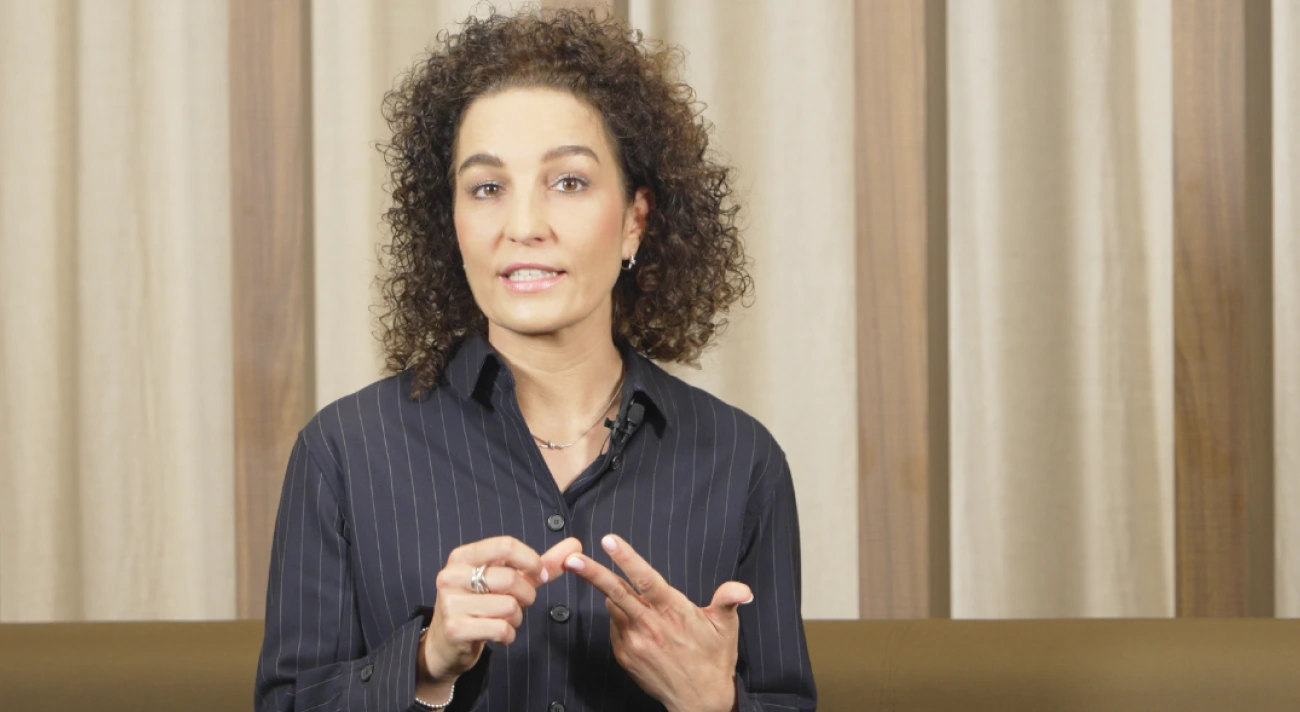
Why is market timing difficult to apply to private equity? This video explains the role of phased capital deployment, diversification by fund class, and manager selection in a long-term investment strategy, with no guarantee of performance.
A program may establish an annual reference amount to facilitate planning. This amount must be regularly compared with outstanding commitments and liquidity needs.
For example, five annual commitments of 20,000 euros amount to a total of 100,000 euros pledged. These do not necessarily correspond to five identical annual disbursements, as calls for contributions from different funds may overlap.
However, solutions designed for individual investors are emerging that involve calls for funds on fixed dates and for predefined amounts, generally expressed as a percentage of the commitment. This structure improves visibility into expected payments and facilitates cash flow planning. It does not make the distribution schedule predictable or guaranteed.
The frequency of investments must remain consistent with the firm’s financial position and liquidity needs. This does not preclude an assessment of the quality of each new opportunity.
Principle #4: Select Fund Managers Using a Rigorous Method
How can you invest in private equity without relying solely on rankings?
A first-quartile ranking places a fund among the top 25% of a sample, depending on the indicator used. Its significance depends, in particular, on the fund’s strategy, inception year, benchmark, and maturity.
Past performance is useful information, but it is not sufficient to predict a fund’s future performance. In 2023, in “Has Persistence Persisted in Private Equity? Evidence from Buyout and Venture Capital Funds, ” the *Journal of Corporate Finance* showed, among other things, that performance persistence varies by strategy and has weakened over time for the U.S. buyout funds studied.
When reviewing a long track record, several questions must be considered: Are the same executives still in place? Has the strategy changed? Are the results based on multiple investments or on a few one-time transactions?
Private Equity: Why Stability in Management Teams Matters
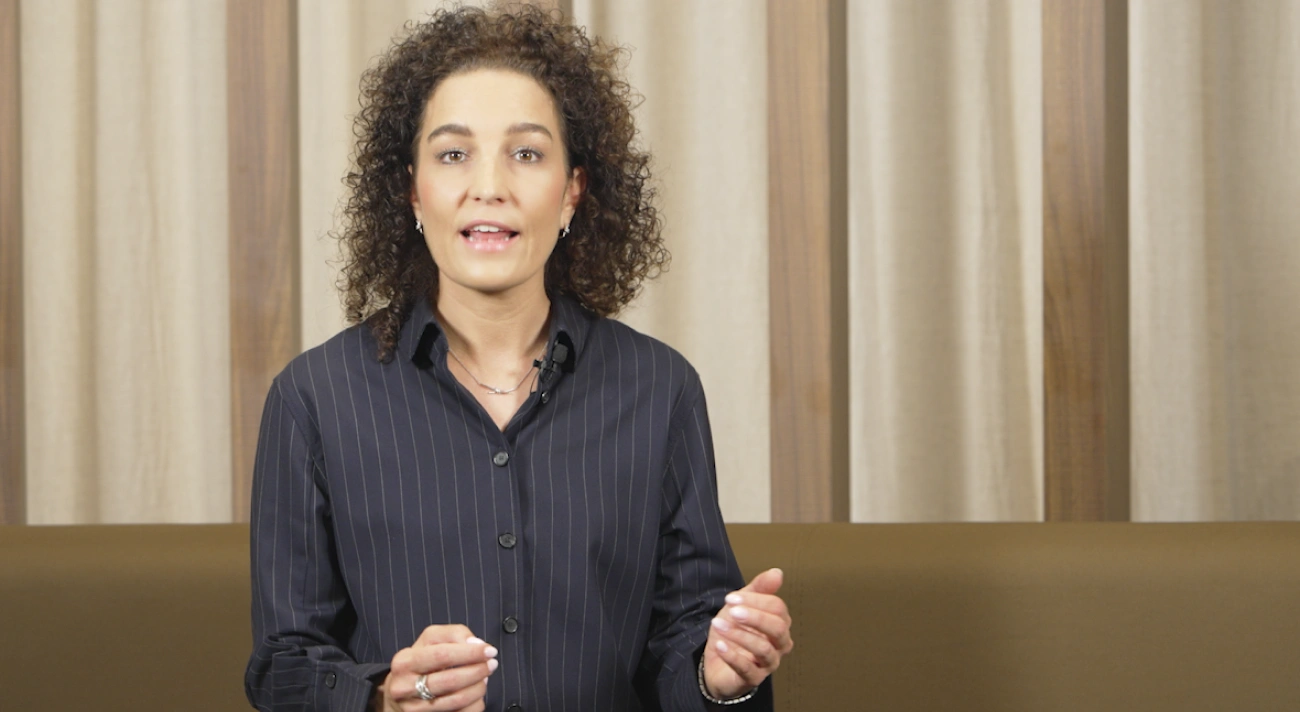
How can you evaluate the teams behind a private equity fund? This video explains the role that their stability, organization, and alignment of interests play in ensuring strategic continuity and risk management—without any guarantee of performance.
The selection process must link the results to the resources that produced them. It focuses in particular on the teams’ experience, their areas of expertise, the field in which the data was collected, and their ability to support companies.
Buyout and growth strategies are based on different rationales. Their suitability is assessed in light of the target companies, valuations, potential debt, and the skills of the Fund manager.
An analysis of value creation can also incorporate governance, human resources, and environmental issues. Commitments to social and environmental responsibility must be examined through concrete processes, objectives, and indicators.
Private Equity: What Are the Drivers of Value Creation?
How do investment funds support the growth of privately held companies? This video explores alignment of interests, active governance, operational improvements, and complementary acquisitions—levers for creating value over the long term, with no guarantee of performance.
Finally, fees must be understood at all levels: the invested vehicle, the underlying funds, and any fee pool. The basis for calculating these fees and performance-based fees are just as important as the advertised rate. The AMF emphasizes the complexity of private equity fee structures.
Private Equity Fees: Understanding Their Role and Impact
What do private equity fees cover? This video explains the work fund managers do to analyze, select, and support companies. It also highlights the importance of examining the various fee levels and their impact on an investor’s net return.
Principle #5: Anticipate capital calls and distributions
Developing a Cash Flow Tracking System
In a capital call fund, payments may be requested on an ongoing basis. Distributions depend, in particular, on the transactions carried out and the sales of assets; they should not be considered regular income.
Consolidated monitoring makes it possible to align future obligations with available resources. It becomes particularly useful when several vintages overlap.
Item to monitor
What it indicates
Purpose
Total Commitment
What it indicates
Amount pledged to the fund
Purpose
Track outstanding obligations
Capital Called
What it indicates
Amount requested by the fund
Purpose
Track payments due
Unused commitment
What it indicates
Potential remaining amount to be financed
Purpose
Prepare the cash flow forecast
Dividends Received
What it shows
Amounts actually paid out
Purpose
Identify available resources
Residual value
What it indicates
Estimate of assets still held
Purpose
Track the exposure without confusing it with cash
Fees
What it indicates
Costs applied as per the documentation
Purpose
To assess their impact on net income
Distributions do not necessarily terminate all of the subscriber's obligations. In particular, certain provisions may include rollover or callback mechanisms, which should be reviewed in the documentation.
Plan for a scenario involving delayed distributions
A cash flow forecast benefits from incorporating several assumptions. A conservative scenario might assume that divestitures will take longer, while capital calls continue.
It would be unwise to rely solely on an expected distribution to finance a certain obligation. A value estimate, even a favorable one, does not constitute an available sum.
This workflow management helps prevent schedule delays from jeopardizing the entire program. It does not eliminate uncertainty, but it helps anticipate its consequences.
Principle #6: Choose transparent and sustainable support
Define the responsibilities of each stakeholder
The wealth advisor, the distributor, the management company, and—if applicable—the manager of a fund of funds each perform different functions. Understanding their roles helps clarify who selects investments, who provides advice, and who monitors performance.
The expected support must be specified: suitability analysis, information on funds, monitoring of commitments, consolidation of reporting, or cash management.
The quality of a relationship is also evident during difficult times. Effective reporting should help explain a delay in distribution, a decline in valuation, or a change in strategy.
Examine the alignment of interests
Alignment is based, in particular, on transparency in compensation, the management of conflicts of interest, and—where applicable—the financial commitment of the teams.
A co-investment can contribute to this alignment. However, it is not sufficient on its own to demonstrate that the interests are identical: the costs, the terms for sharing results, and the rights of the various parties must also be examined.
Ultimately, the partner must be evaluated over the long term. Team stability, data quality, and the ability to provide clear explanations are just as important as the ease of the sign-up process.
What risks should be taken into account in this process?
The primary risk is the partial or total loss of principal. A rigorous investment strategy does not guarantee the success of the companies in which the fund invests or the fund’s performance.
Illiquidity is another major constraint. Any potential sale on the secondary market depends on the availability of a buyer, the applicable approvals, and the offered price; it should not be considered a guaranteed exit.
Valuations are also subject to uncertainty. They are based on estimates that may differ from the price ultimately obtained at the time of the sale. Risks related to debt, foreign exchange, or concentration depend on the characteristics of each strategy.
The J-curve may explain performance that is initially weighed down by fees and the gradual roll-out of the portfolio. It does not necessarily imply a subsequent recovery: a decline may also reflect genuine difficulties.
Understanding how to invest in private equity therefore involves making a series of coherent decisions: investment horizon , amount, diversification, selection, cash flow, and support. The subscription is one step in this process, the success of which also depends on ongoing monitoring over time.
Investing involves the risk of capital loss. Past performance is not indicative of future results.
Key Takeaways
Six dimensions form the framework of this approach: investment horizon, asset allocation, vintages, portfolio managers, cash flows, and support.
The duration of a fund differs from that of an investment program.
A commitment that has not yet been called upon remains an obligation to be anticipated.
Spreading investments over time does not guarantee a return.
A historical ranking in the top quartile does not automatically predict future results.
Expected distributions should not be considered the same as available cash.
Fees, illiquidity, and the risk of capital loss must be taken into account before investing.
FAQ on How to Invest in Private Equity
How can I invest in private equity as an individual?
An individual can invest directly in a privately held company or invest in a fund that matches their investment profile. Certain investment vehicles may be held within a tax-advantaged account. Before investing, it is important to review eligibility, strategy, fees, duration, and risks.
How much should you allocate to private equity?
There is no universal amount or percentage. The allocation depends on assets, liquidity needs, investment horizon, and the ability to withstand losses. In a fund with capital calls, the analysis must focus on the total commitment, not just the initial payment.
Why invest in multiple vintages?
Spreading investments across multiple years is intended to reduce dependence on a single investment period. This temporal diversification complements the other aspects of the investment allocation. It does not guarantee either the offsetting of losses or a specific return.
How do you choose a private equity fund?
The analysis focuses in particular on the team’s strategy, experience, and stability; the performance of previous funds; fees; and portfolio construction. Performance must be viewed within a comparable context. Past rankings are not sufficient to predict future results.
Can distributions be used to finance new fundraising campaigns?
Distributions actually received may help finance other commitments. However, their amount and timing remain uncertain. It is therefore necessary to plan for funding needs without relying exclusively on expected distributions.
Should you invest for twenty years?
A 20-year period may represent the time horizon for a program comprising several successive funds. This is not a universal minimum term applicable to every investment. The terms, extension options, and exit conditions must be verified for each investment vehicle.
Salma Moumen is Chief Project Officer at Altaroc. A graduate of TBS Education with a specialization in Banking & Corporate Finance, she began her career by assisting fintech companies with their fundraising efforts before focusing on the digital transformation of financial sector players, at the intersection of business and technology challenges. Through her articles, she offers an informative, well-researched, and objective analysis of private markets, their mechanisms, and the risks associated with them.
A network of 350,000 entrepreneurs who shared 17.5 million recommendations with one another in a single year; a platform used by 100,000 companies in 180 countries to verify working conditions at their suppliers; and a group of nearly 1,000 veterinarians specializing in horses. Here’s a look at nine initiatives by the “ Vintage ”Odyssey from recent months.
Should we wait until the outlook improves before investing? Drawing on several historic periods in the history of U.S. private equity, Altaroc examines investment conditions during times of crisis.
Private equity is playing an increasingly important role in the wealth management strategies of entrepreneurs and high-net-worth individuals. Pierre Ferron analyzes its role in asset allocation, wealth transfer, and long-term management.
Subscribing to a “ Altaroc ” vintage involves several steps: verifying your eligibility, preparing your subscription application, and understanding the investment terms.
Private equity is gradually becoming more accessible to individual investors thanks to the pooling of capital, the expansion of distribution networks, and regulatory changes.
Altaroc ’s “ Odyssey ” portfolio targets an allocation of 80% in international funds and 20% in co-investments, primarily in buyout and growth deals, in Europe and North America.
Article
|
17
2026-11-17
Other content in the series
Explore our content collections, which bring together different formats around a single subject/issue/theme.
Private equity is gradually becoming more accessible to individual investors thanks to the pooling of capital, the expansion of distribution networks, and regulatory changes.
A private equity ETF provides liquid exposure to publicly traded companies active in the private equity sector, but generally does not invest directly in unlisted companies.
In 2025, the private equity sector in France demonstrated its resilience, with 36.4 billion euros invested and 42.9 billion raised.
Article
|
27
2026-10-27
No items found.
Welcome to Altaroc
In accordance with applicable regulations, we ask that you complete your profile. This step is required to access the content and services offered on our websites.
Please fill out your profile to access the site
country of tax residence
Select
choosenCountry
Preferred language
Select
choosenLang
YOUR INVESTOR PROFILE
Financial intermediary or professional investor
Financial advisors, wealth managers, private bankers, or any other investment service providers.
Qualified Investor or Altaroc Investor
Experienced investor or Altaroc investor
Private investors who have already invested with Altaroc or who have a minimum investment capacity of €100,000.
Private investors who have previously invested in Altaroc who have a minimum investment capacity of 200,000 euros.
Non-professional (retail) investor
Individual investors with an investment capacity below €100,000.
Retail investors with an investment capacity of less than 200,000 euros.
Institutional investor
Pension funds, retirement schemes, asset management companies, and single-family offices.
Important information
choosenTerms
choosenTermsValue
Select your language and investor profile to continue
Select your investor profile to continue
Scroll down to accept General Terms and Conditions