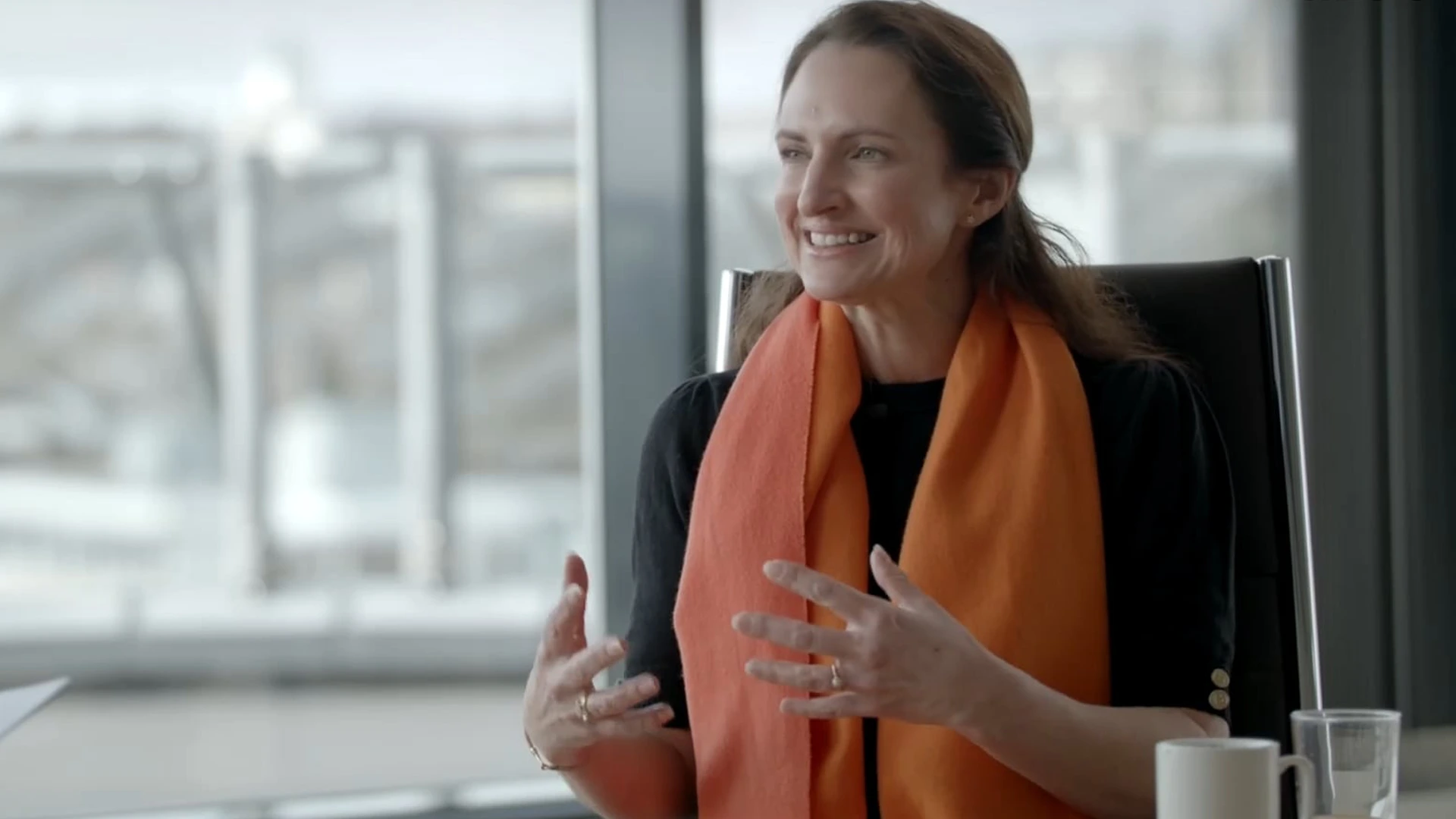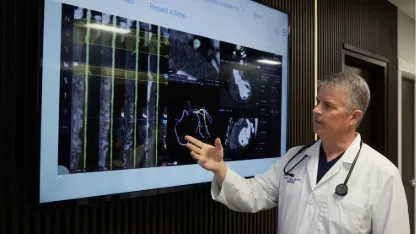

900,000 Americans die each year from cardiovascular disease. It was in response to this alarming statistic that Cleerly was founded in 2017 in Denver, Colorado. The American company uses artificial intelligence to better detect the risk of heart attacks. It analyzes heart scans to identify plaque buildup in the arteries, even when it hasn’t yet caused any symptoms. Whereas traditional tests mainly detect cases that are already severe, Cleerly allows the problem to be identified much earlier. This enables doctors to identify which patients are truly at risk and take action before a heart attack occurs. This may involve treatment, more regular monitoring, or lifestyle changes. The scan takes less than a minute, is non-invasive, and results are available within a few hours, positioning Cleerly as a valuable public health tool. This approach is particularly useful because many heart attacks occur without warning signs. By detecting risks early on, Cleerly helps prevent tragic outcomes, such as that of Megan Ivey Pitts, who now sits in her husband’s place at the helm of their company, which she runs alone. This wasn’t the life plan of this mother of three, but in February 2023, everything changed.
Megan’s husband, Brian, fell ill with symptoms that were initially mild and seemed harmless. “He started feeling unwell around midnight and was sick all night. He thought it might be food poisoning, perhaps from undercooked pheasant. He also had heartburn, ” Megan says. Brian Pitts was 49 years old, fit, and seemed perfectly healthy. Nothing could have prepared the family for what was actually happening.
“It’s the worst thing that can happen. Suddenly losing your spouse and your rock is a nightmare. It’s become my mission: to help people understand that it doesn’t always manifest as arm pain or sudden shortness of breath. Sometimes the signs are harmless, like heartburn,” Megan says
It was during this quest to raise awareness that Megan met Dr. Kevin Young. This American cardiologist based in Nashville specializes in cardiovascular diseases. He has over 20 years of experience in the diagnosis and management of heart conditions and is board-certified in both cardiology and internal medicine. Trained at leading universities such as UCLA, he has also held academic positions, including serving as an associate professor of cardiology.
He is now the founder of the Young Heart Group, where he is developing an approach focused on the prevention and early detection of heart disease, particularly through innovative technologies such as Cleerly’s artificial intelligence. In fact, 70% of traditional tests fail to identify at-risk patients due to a lack of accuracy. Beyond diagnosis, the challenge now is to integrate these technologies into a systematic approach to prevention. The adoption of solutions like Cleerly by experienced cardiologists marks a turning point. It is no longer just a matter of reacting to heart attacks, but of anticipating them. By identifying at-risk patients earlier, the healthcare system can intervene proactively and prevent subtle warning signs—such as those observed in Brian Pitts—from being overlooked. It is precisely in this ability to make prevention a standard of care that Cleerly’s potential lies to ensure that these preventable tragedies truly become avoidable.
.webp)

.webp)
.webp)
.webp)

.webp)