
Fintech: GCash Partners with Google Pay to Bring Unified Payments to 75 Million Filipinos
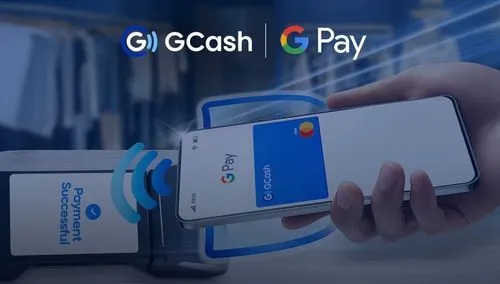
The digital payments landscape in Southeast Asia is reaching a historic milestone. GCash, the undisputed leader in mobile wallets in the Philippines, has announced its official integration with Google Pay. This strategic partnership enables 75 million users to transition to a unified and seamless payment model, radically transforming everyday consumer habits.
Now, users can pay for their purchases in-store, online, or through their favorite mobile apps without having to manually enter their banking information. This advancement not only simplifies the shopping experience but also eliminates the need to share card numbers with merchants, creating an impenetrable barrier against data theft.
Enhanced security through advanced biometrics and tokenization
The integration of GCash into the Google Pay ecosystem is built on a bank-grade security architecture. The quick and easy activation process is completed through the Google Wallet app by linking the user’s GCash profile.
Transaction security is based on two key technologies:
- Data tokenization: During a payment transaction, the actual account or card number is never transmitted to the merchant. It is replaced by an encrypted "token" (a unique, temporary digital identifier), which is rendered useless if intercepted.
- Biometric two-factor authentication: Each transaction requires instant validation via facial recognition (Face ID) or fingerprint recognition (Touch ID) directly on the user’s smartphone. This protocol ensures that no payment can be made without the phone owner’s knowledge, even if the device is lost.
This technical approach reinforces GCash's active efforts to combat financial fraud, a long-standing initiative carried out in collaboration with Philippine government agencies.
Fee Structure: GCash/Google Pay vs. Competing Wallets
In the highly competitive Philippine fintech market, one of this duo’s key selling points is its aggressive pricing strategy. The integration ensures that the vast majority of merchant payments remain free, offering a significant advantage over local alternatives:
- GCash / Google Pay: 0% fees on virtually all transactions at physical and online retailers. Consumers pay the exact price of the product, with no hidden fees.
- Maya: This competing wallet occasionally charges "conveniencefees" or small commissions, particularly when using virtual payment cards on certain e-commerce platforms.
- GrabPay: Very popular for ride-hailing and delivery services, GrabPay sometimes charges processing fees or top-up commissions depending on the user’s bank, which can increase the user’s total bill at the end of the month.
By eliminating any additional costs for the end customer, GCash and Google Pay are cementing their dominant position in the domestic market.
User Feedback: Immediate Adoption in the Field
The positive reception of this unified solution by the Filipino public reflects a genuine need to simplify digital experiences, as indicated by initial feedback:
“Before, I always had to open my GCash app, generate a QR code, have the cashier scan it, or enter my card numbers on websites. With Google Pay, I just hold my phone up to the store’s terminal, facial recognition kicks in, and it’s paid for in two seconds. It saves me an incredible amount of time every day. ” — Jeanalyn, 28, entrepreneur in Manila.
"What convinced me was the security. I do a lot of online shopping on different platforms, and knowing that my actual banking information is hidden by Google and verified by my fingerprint gives me great peace of mind when it comes to my family's budget." — Mark, 42, teacher.
Heading to Southeast Asia: Prospects for Regional Expansion
Beyond the archipelago's borders, this partnership with Google Pay paves the way for GCash's large-scale international expansion. The goal is to transform this local digital wallet into an essential cross-border payment tool.
This expansion is driven by the widespread rollout of interoperability among QR code payment systems across ASEAN (Association of Southeast Asian Nations). In the short term, thanks to Google’s global network and regional interbank agreements, millions of overseas Filipino workers (OFWs) and travelers will be able to use their GCash accounts directly to pay for healthcare, transportation, and retail expenses in Thailand, Malaysia, or Singapore.
This innovation builds on the company's recent successes, as it continues to launch major initiatives, such as its partnership with Tablevibe to make discounted meal delivery more widely available, and its alliance with Mastercard to expand contactless mobile payments on an international scale.

.webp)