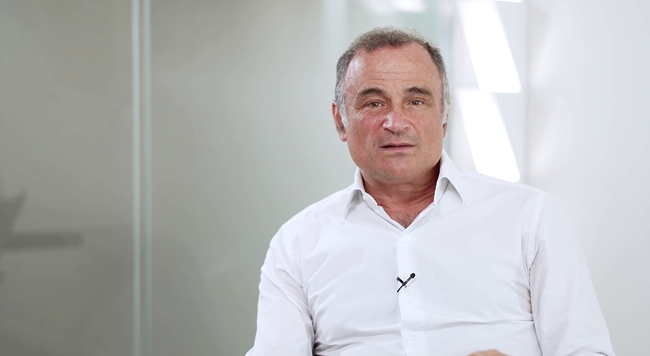
Episode 2 | Re-up - Interview with Maurice Tchenio
Summary
Maurice Tchenio explains that private equity differs significantly from other asset classes in how it operates. Unlike stocks, bonds, or real estate, where investors commit their entire capital immediately, private equity relies on a phased deployment. When an investor commits to a specific amount, that amount is called in over a period of 4 to 5 years, meaning the capital is not invested all at once but gradually. Another major difference lies in cash flows. In traditional investments, the investor receives regular income (dividends, coupons, rent) and then recovers their capital upon the sale of the asset. In private equity, distributions generally begin in the fourth or fifth year and include both gains (capital appreciation) and the repayment of the initial capital. Thus, the investor begins to recoup their money even before the end of the fund’s life. These specific characteristics have several important consequences. First, it takes several years for the capital to be fully invested. Second, the amount actually deployed is less than the initial commitment, as the first distributions offset part of the capital calls. Finally, although funds have a lifespan of about ten years, the capital is actually at work over a shorter period—often around five years—since repayments occur relatively early.This mechanism makes private equity both more complex and more dynamic than other investments, but it is also key to understanding its long-term performance and effectiveness. For any investor, fully understanding these differences is essential before committing to this asset class.
Other episodes in the series