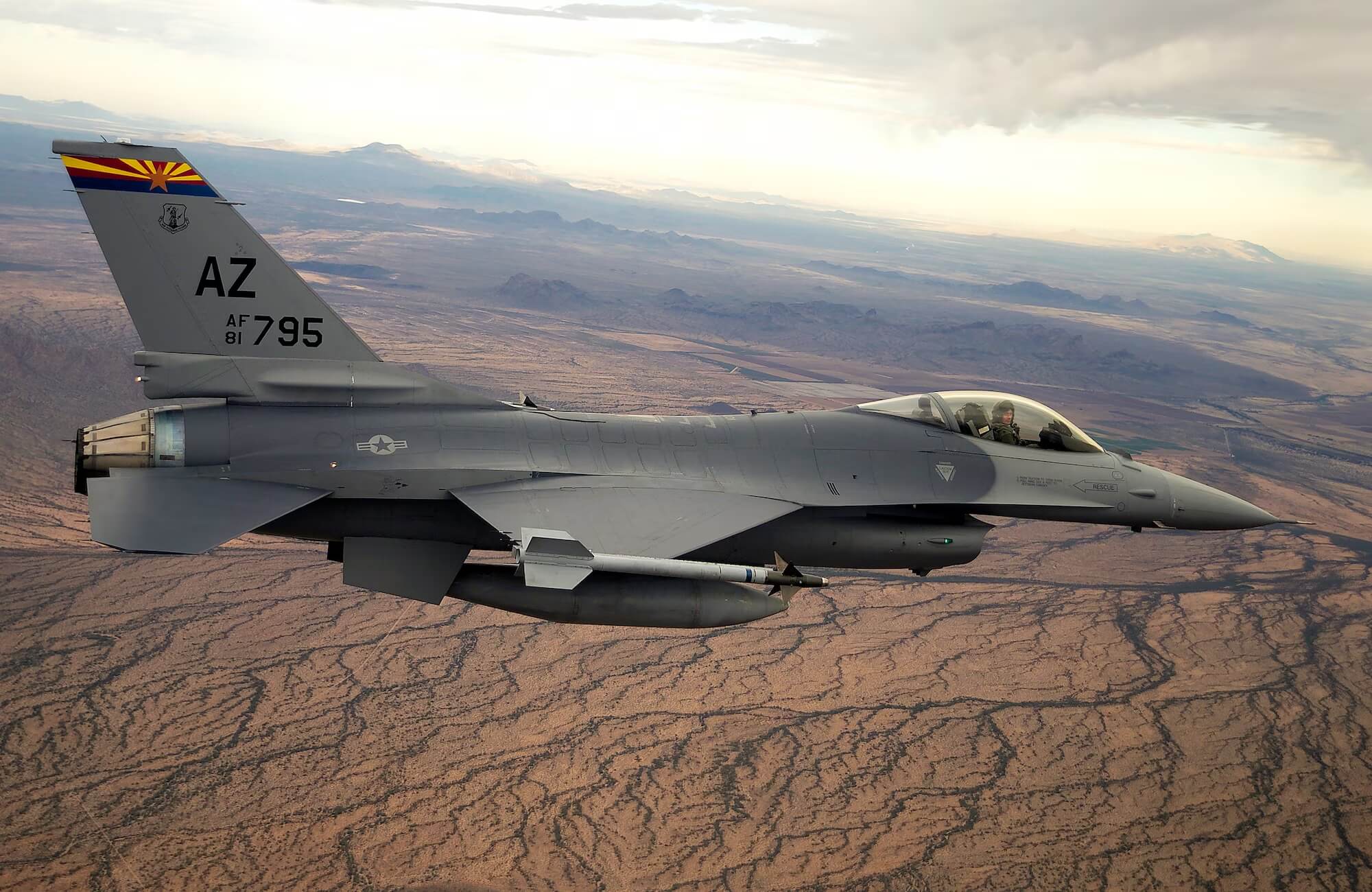

Shift5 has just reached a decisive milestone with the award of a major contract to modernize the data system of the F-16, the aircraft that has been the backbone of US air defense for decades. This contract (which comes shortly after the one won withthe US Marine Corps) involves modernizing the internal system that allows the various F-16 equipment to communicate with each other. Specifically, Shift5 will develop and test a new version of this system to ensure that it remains reliable and compatible with current requirements. The aim is to ensure that the F-16 remains fully operational in an environment where missions, threats, and technologies are evolving rapidly.
This choice confirms the confidence placed in Shift5, whose expertise in real-time analysis and cybersecurity applied to embedded systems meets a critical need. Combat aircraft accumulate considerable volumes of technical data with each flight. A platform such as Shift5's allows this data to be instantly exploited to detect anomalies, anticipate failures, and strengthen protection against cyber threats.
In practical terms, a maintenance team can identify a worn part earlier, correct a fault before it affects a mission, or even identify an attempted digital intrusion. This ability to act quickly and more effectively contributes directly to the availability of aircraft, which is a strategic issue in military aviation.
Work related to the contract will be carried out from Shift5's headquarters in Arlington, Virginia, and is expected to be completed in 2027. The company is thus establishing itself as a trusted partner of the US defense sector at a time when the modernization of military fleets is becoming essential. With the intensification of operations, the arrival of new aircraft, and the evolution of threats, the armed forces need tools capable of transforming raw data into reliable decisions to stay one step ahead.
Founded by former officers who helped create the US Army Cyber Command, the company is based on a simple observation: aircraft, trains, and military vehicles generate vast amounts of information that often goes untapped. Their platform changes this reality by providing operational, maintenance, and cybersecurity teams with a clear view of the status of their equipment.