Re-Up via Odyssey
The Re-Up program via Odyssey thanks to a consistent annual commitment and a disciplined multi-vintage approach, the company is gradually building up its exposure to private equity.
As the first vintages enter the distribution phase (often around year 7), the flows generated can form a transferable revenue base, while maintaining the overall consistency of the strategy.
Strategic architecture
Multi-vintage construction
The company commits to several vintages each year, in a consistent and structured manner, in order to smooth out economic cycles and avoid concentration on a single entry point.
Overlaying flows
The natural gap between commitments and capital calls allows cash flow to be spread out over the first few years, optimizing financial management at the company level.
Institutional distribution logic
The overlapping of vintages during the distribution phase generates regular cash flows for the holding company when they reach maturity. These distributions can be retained as cash, reinvested, or distributed to shareholders, promoting a gradual and structured transfer of income.
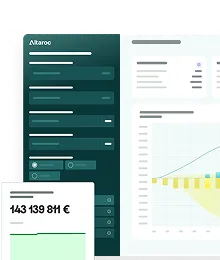
Steering via simulation
The trajectory can be constructed from:
• Available capital
• Target capital at a given time horizon
• Target income
Projections may be expressed as gross, net of income tax, or net distributable to partners. The model distinguishes between company-level performance and the impact of a distribution. Taxation: realized gains are included in taxable income. Any distribution may result in additional taxation at the personal level.
The advantages for investors
Transmission organized through the corporate structure: flow management at the holding company level.
Enhanced financial transparency: projections can be made in gross, net of income tax, or net distributable amounts, depending on the parameters selected.
Institutional discipline: regular commitments and temporal diversification to smooth out cycles.
Flexibility in deciding between reinvestment, retention, and distribution of cash flows.
This document is for informational purposes only and does not constitute investment advice or personalized recommendations. Private equity involves a risk of capital loss and long-term illiquidity.