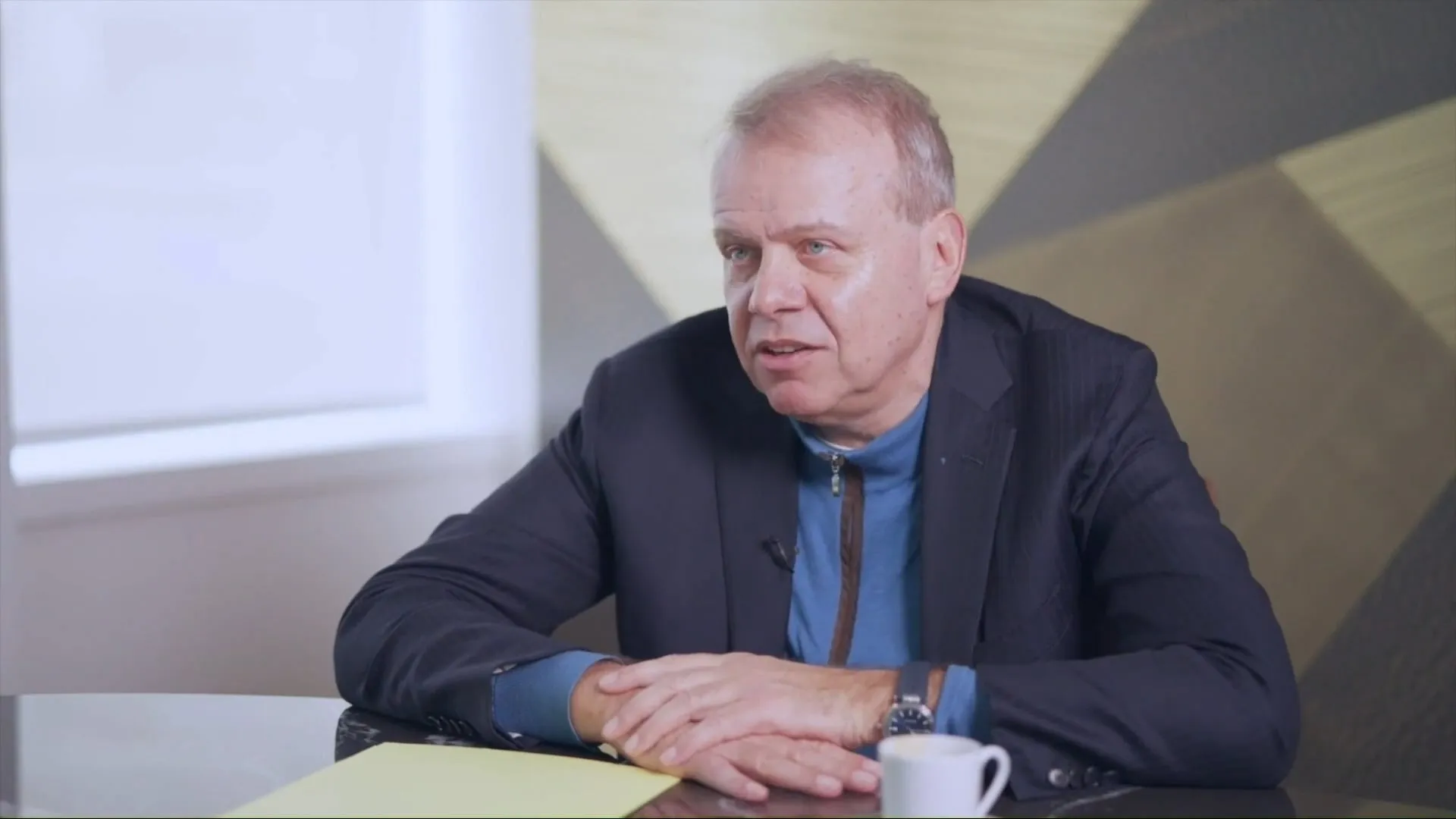
Interview with Jean Pierre Petit
Summary
Jean-Pierre Petit puts the global growth of private equity into perspective. Originating in the United States about 60 years ago, it gradually expanded to Europe and then to Asia, with growth accelerating sharply over the past 20 years. Today, it accounts for approximately 4.5% of global equity market capitalization, more than double the figure from two decades ago.The main appeal of private equity lies in its ability to invest in companies at all stages of development, unlike public markets, which are predominantly composed of mature companies. It also allows investors to be directly involved in a company’s strategy, governance, and value creation, which is a key differentiator compared to publicly traded stocks.In terms of performance, private equity has historically delivered attractive returns, often outperforming public markets on a risk-adjusted basis. One of its less obvious advantages is its illiquidity, which can protect investors from emotional biases during crises by preventing hasty sales at the wrong time. However, this asset class carries specific risks. The main one is Fund manager selection risk, due to a very wide performance gap between the best and worst-performing funds. Vintage risk is also significant, making a phased investment strategy over time essential to smooth out market cycles.Finally, Jean-Pierre Petit emphasizes the societal benefits of private equity, which directly finances the real economy, supports innovation, job creation, and the modernization of businesses. In terms of allocation, he generally recommends an exposure of 5 to 10% of total assets, tailored to the investor’s profile and their ability to tie up capital over the long term.
Other episodes in the series
.webp)


--Comprendre-l%2525E2%252580%252599appe%2525CC%252581tence-des-investisseurs-1.webp)
%252520-%252520les%252520avantages%252520a%2525CC%252580%252520investir%2525202.webp)
%252520-%252520les%252520avantages%252520a%2525CC%252580%252520investir%2525201.webp)