Interview Stephen Byrne - Vitruvian
Summary
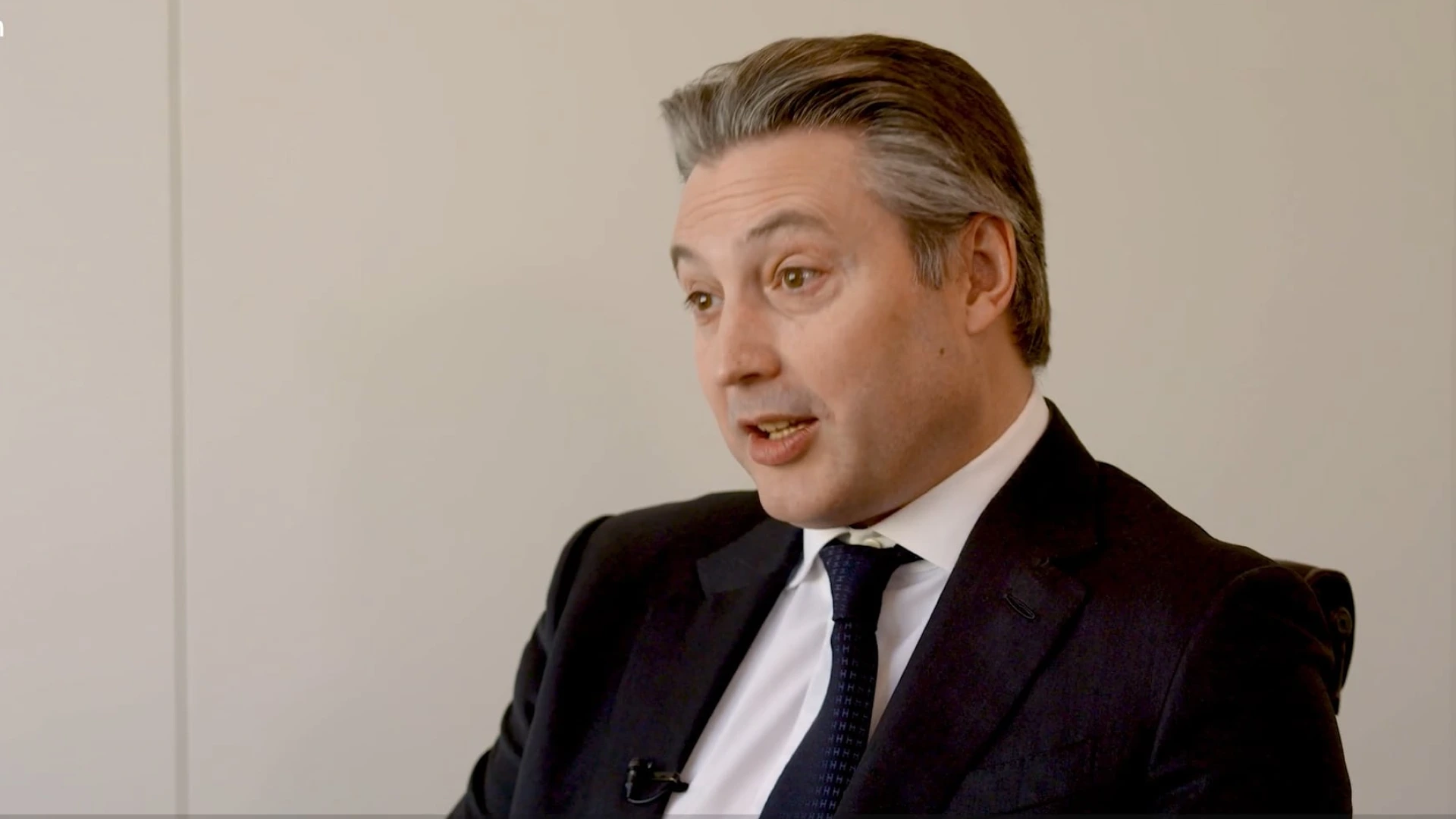
In this interview, Stephen Byrne, a partner at Vitruvian, discusses the history, strategy, and positioning of this private equity firm, which was founded in 2006 and specializes in growth equity and growth buyout Europe. Vitruvian has built its business around a strong conviction: identifying mid-sized companies capable of generating high growth, often uncorrelated with overall economic growth. To this end, the firm relies on the concept of “dynamic situations,” which involves identifying market segments transformed by structural changes—whether technological, regulatory, demographic, or competitive. The investment strategy is based on an in-depth thematic approach. Vitruvian analyzes major long-term trends, identifies markets undergoing transformation, and seeks business models capable of benefiting sustainably from this growth. In particular, the team favors asset-light, scalable, and defensible companies capable of growing rapidly while maintaining operational flexibility. Stephen Byrne also explains the importance of flexible specialization. Vitruvian’s senior professionals track multiple subsectors to avoid silos, remain flexible, and redeploy their efforts toward segments offering the best opportunities. This approach allows the fund to navigate market cycles and avoid temporarily overvalued markets. Vitruvian’s performance relies primarily on the organic growth of the companies it supports, rather than on excessive use of financial leverage. This discipline helps limit losses and maintain consistent performance across multiple funds. The interview illustrates this approach through two investment examples. Just Eat enabled Vitruvian to support a rapidly growing marketplace model, while EasyPark—which has become a global player in parking and mobility solutions following its merger with Flowbird—illustrates the fund’s ability to transform a mid-market company into an international leader. Finally, Stephen Byrne shares his vision of the private equity market. In his view, the mid-market remains rich in opportunities, provided investors are selective and focus on themes of structural growth. In the medium term, private equity is expected to continue to become more accessible, grow more global, and demand more than just capital: the best managers will also need to deliver real operational value to portfolio companies.
Other episodes in the series
.webp)