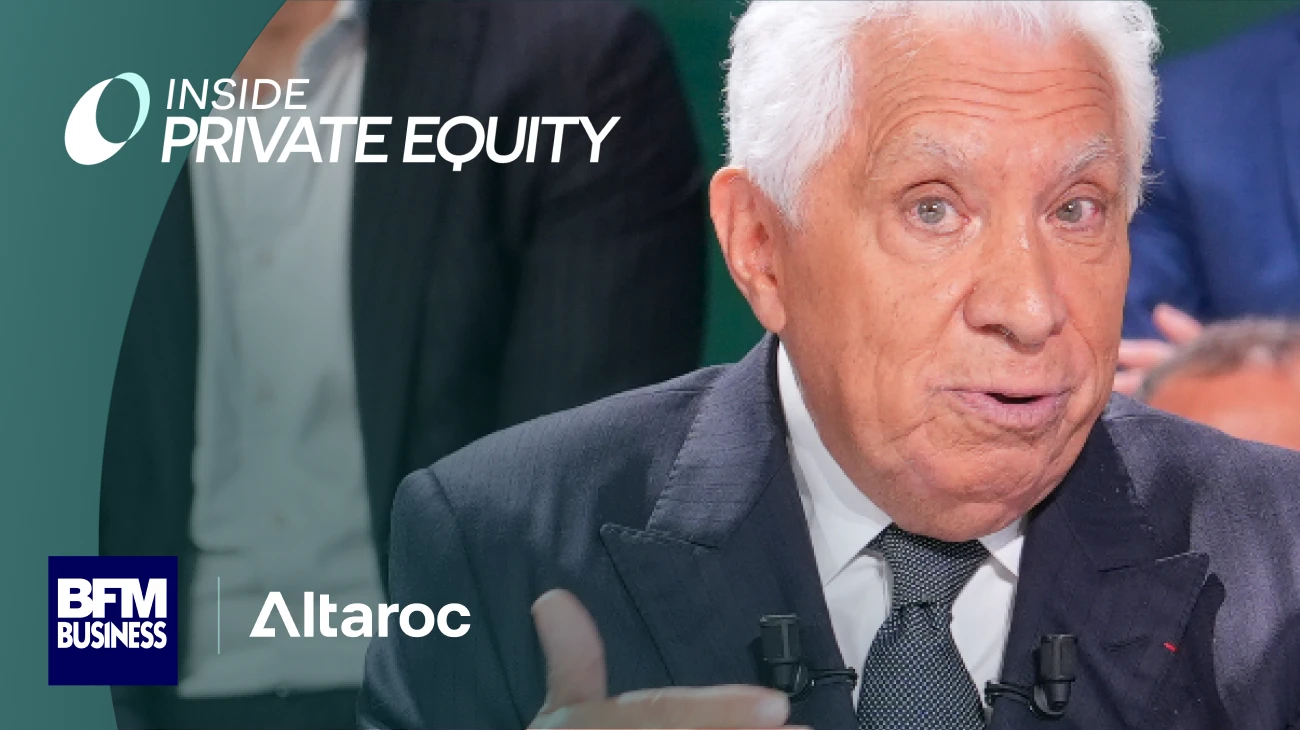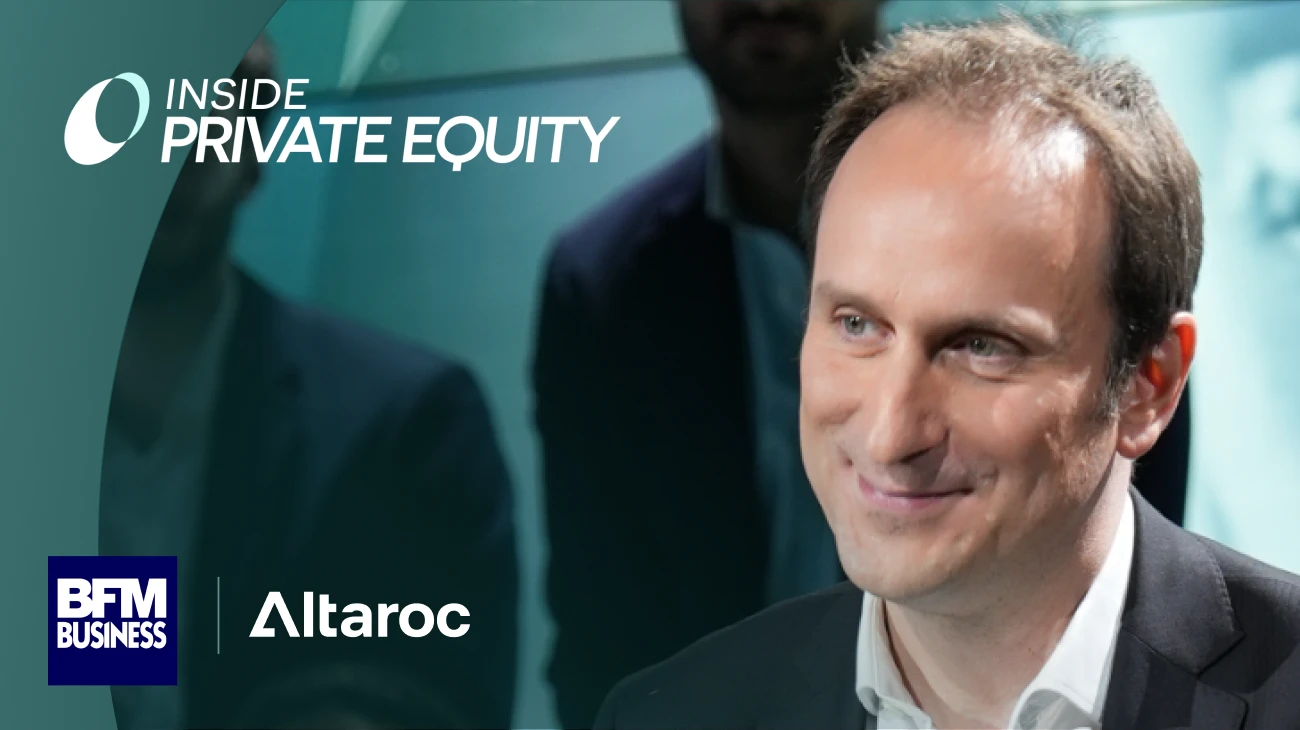
Inside Private Equity - Issue of March 26, 2025
Summary
This 11th episode of Inside Private Equity explores a key question for investors: how to build substantial wealth through private equity. Frédéric Stolar explains that the sector’s average performance (around 13% per year, or even over 20% for the top-performing funds) is not enough on its own to create sustainable wealth. The key lies in how one invests: spreading investments over time, anticipating and recycling cash flows, and using appropriate management tools. Unlike a traditional approach (invest and wait), “programmatic” management allows capital to remain constantly invested and optimizes long-term performance, with a potentially amplified effect.The Graitec Group’s success story illustrates the role of private equity as a growth accelerator. The company, which specializes in software for the construction industry, has significantly restructured its organization and accelerated its international expansion thanks to support from a fund. Beyond financing, private equity provides a strategic vision, operational methods, and experience in large-scale development, enabling a company to transform into a true international group.The program also highlights the role of investment banks and advisors within the private equity ecosystem. These players are involved at every stage: target selection, financing, structuring transactions, and supporting exits. The sector has undergone profound changes over the past 20 years, marked by strong volume growth, diversification of strategies, and increased specialization among players.There is also a focus on Switzerland, where private equity is gradually establishing itself as a key component of wealth management. Driven by a stable environment and a high concentration of investors, it is attracting an increasing number of private clients, with allocations reaching 10 to 30% of portfolios. This trend is expected to grow in the coming years, driven by the search for returns and diversification.Finally, the episode addresses the impact of generative artificial intelligence on companies and funds. AI is becoming a major driver of optimization, innovation, and productivity, used both in the operations of portfolio companies and in investment processes. It opens up new opportunities while requiring rigorous governance.In conclusion, private equity emerges as a powerful tool for wealth creation, provided one adopts a long-term perspective, structures investments correctly (particularly through holding companies), and surrounds oneself with professionals capable of optimizing both performance and tax efficiency.
Other episodes in the series