Under the leadership of its founder, Orlando Bravo, Thoma Bravo has been a pioneer of the “software buyoutmodel. Today, the firm manages over $166 billion in assets and continues to transform the companies it acquires. But what makes the software sector so attractive to private equity investors?
Exceptional margins and a recurring business model
"Software is the ideal sector for private equity, as it combines several characteristics that investors have always sought: high gross margins, recurring revenues and intellectual property protection," explains Orlando Bravo. Indeed, software companies benefit from gross margins close to 90% and subscription models that guarantee regular, predictable revenue streams.
This stability enables private equity funds to forecast cash flows and optimize the management of acquired companies. "When buying a software company, revenues are often paid in advance. This generates liquidity in excess of book profits," adds Bravo.
What's more, the sector offers opportunities for consolidation. Funds can acquire several companies in the same niche and merge them to create a market leader. This strategy, which Thoma Bravo has mastered, generates economies of scale and higher margins.
A sector at the heart of digital transformation
But beyond financial fundamentals, software has become indispensable in all sectors of the economy. " Every company needs to become an intelligent software company," says Orlando Bravo. Digital transformation is driving companies of all sizes and in all sectors to invest in software solutions to automate processes, improve productivity and optimize customer relations.
It's this structural change that makes the sector so attractive to private equity funds. Investing in software means betting on the future of the global economy. " To take control of a software company is to invest in an essential infrastructure," sums up Bravo.
The Rise of LBO the Software Industry
Private equity managers' interest in the software sector has grown steadily over the past two decades. Orlando Bravo recalls that the first takeovers of software publishers date back to the 2000s, but back then, these deals were carried out without the use of financial leverage.
"We carried out one of the first 'take privates' in the software sector, when a listed company is bought out to go private. At the time, valuations were much lower, between one and two times sales, and leverage was limited," explains Bravo.
However, from 2005 onwards, investment banks began to finance more software buyouts. Deals such as Datatel, financed by Credit Suisse, marked the beginning of a new era. However, the 2008 financial crisis temporarily curbed the use of financial leverage.
It was after 2010 that the market really exploded. The transition of software to the subscription-based SaaS (Software as a Service) model made these companies even more attractive to investors. At the same time, the rise of Private Credit - funds specializing in financing private debt - has made it possible to finance ever larger deals.
In 2016, Thoma Bravo made its mark with the acquisition of ClickSoftware, a deal financed by Private Credit for $1 billion. At the time, the Financial Times called it "the largest private credit deal ever in the software sector".
Today, software buyouts account for almost 30% of private equity deals, compared with just 2% in 2000. Orlando Bravo is categorical: "This figure will continue to rise.
Creating value, the heart of strategy
For managers like Thoma Bravo, the challenge is not simply to buy companies, but to transform their operating model. Orlando Bravo highlights three key areas:
1. maintain a relationship of trust with investors: "We have to be transparent, clear in our objectives and always performance-driven".
2: Acquire the best software companies: the fund focuses on market leaders generating hundreds of millions of dollars in sales.
3: Improving operational performance: Thoma Bravo helps acquired companies optimize costs, improve products and increase margins.
This approach enables private equity funds to generate outstanding returns for their investors, while supporting the growth of acquired companies.
A model that inspires the competition
In the wake of Thoma Bravo's success, many private equity managers are now trying to replicate this model. The software sector has become a key playground for investors, attracted by its growth prospects and opportunities for value creation.
However, Orlando Bravo warns: "It's not enough to just buy companies. You have to understand the sector, master market dynamics and know how to transform business models to create long-term value".
With their pragmatic approach and in-depth expertise, Thoma Bravo remains one of the most respected and successful managers of software buyouts today. Their success illustrates a fundamental truth of private equity: it's by investing in good ideas that we shape the future.
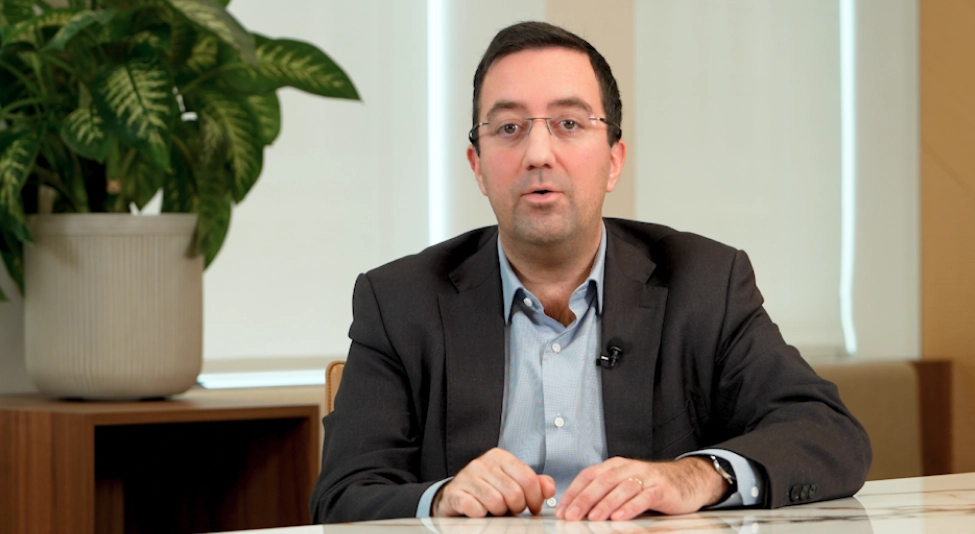
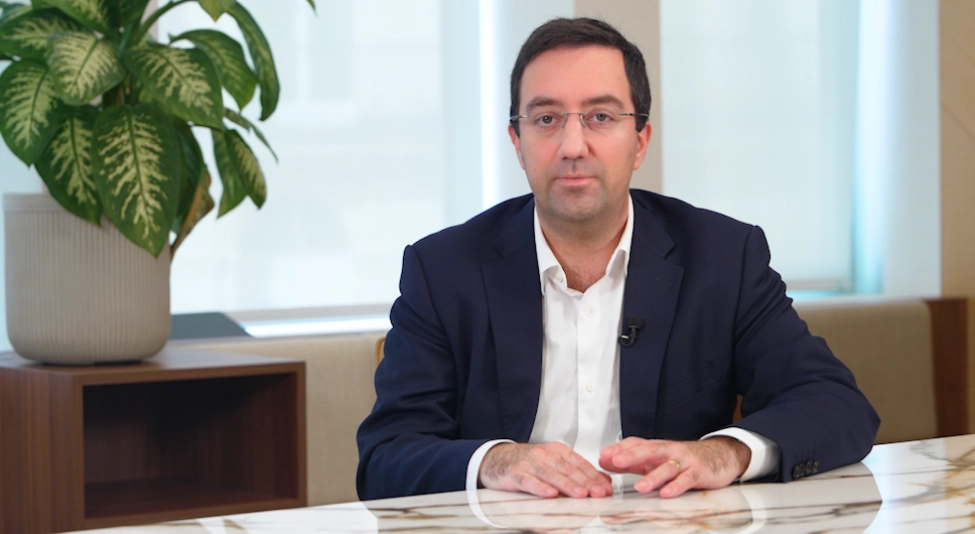
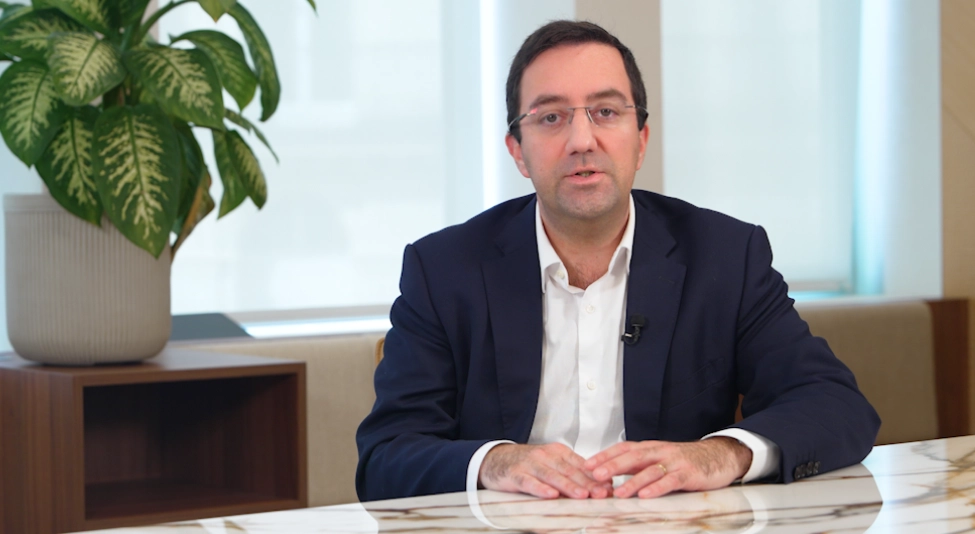
Orlando Bravo, Founder and Managing Partner at Thoma Bravo, explains this vision on video.

.webp)

.webp)