.webp)

Towards more effective care with Azara Healthcare
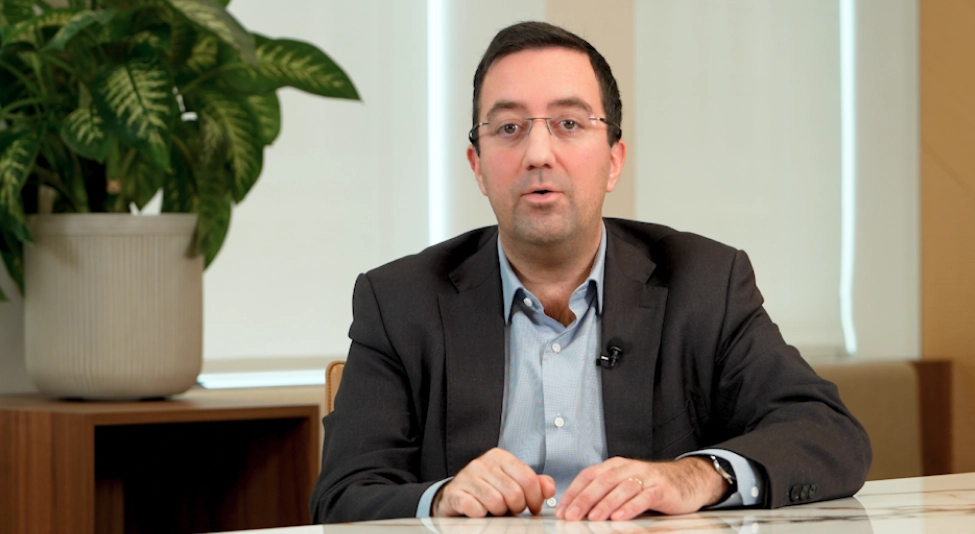
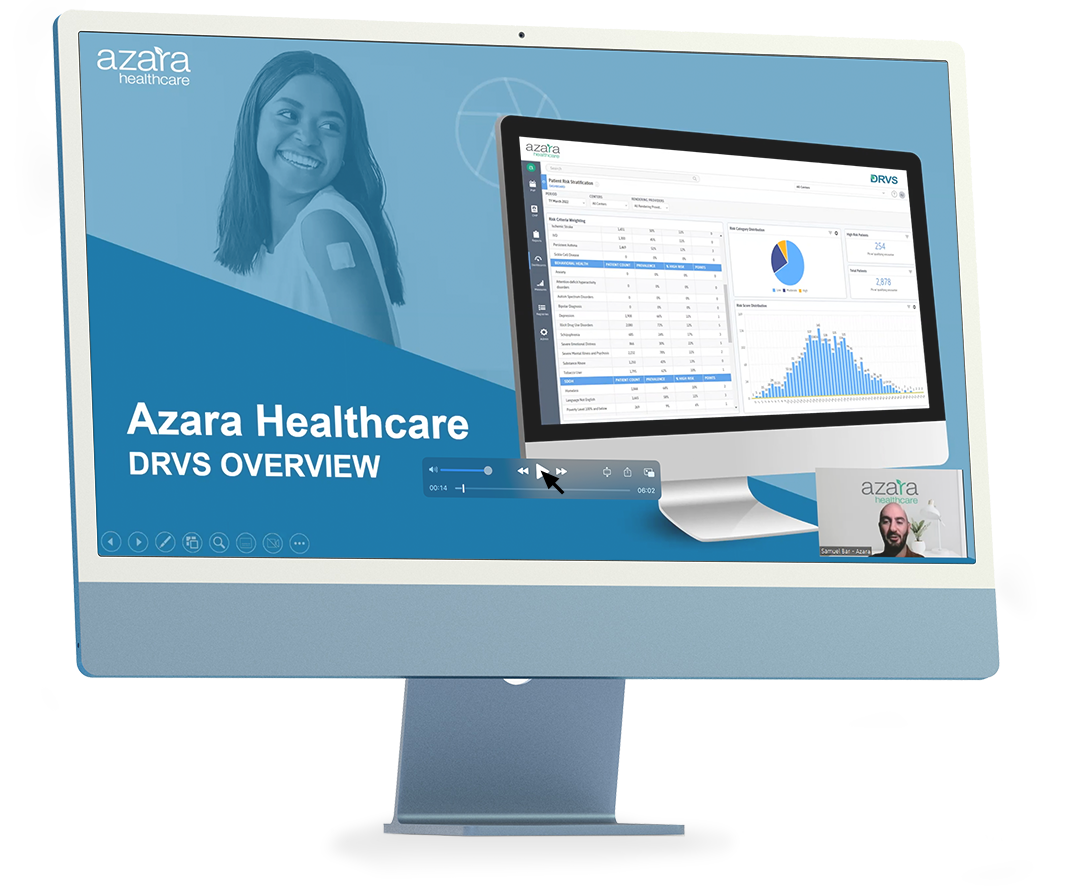
Created to help community clinics make the most of their data, in less than ten years Azara Healthcare has become a key player in "population health management", the art of transforming millions of lines of medical records into concrete tools for better care.
The challenge is simple: to aggregate all information - clinical data, hospital admissions, social determinants of health - and render it in dashboards that can be used by doctors. The result: over 24,000 caregivers use the DRVS platform every month, generating 4.2 million reports in 2023.
Azara has received the industry benchmark Best in KLAS award three years running, and recently merged with i2i Population Health, expanding its footprint to over 1,000 healthcare centers and some 50 million patients.
But what makes it so unique is its deliberate choice to target the "safety net" - hospitals and clinics in disadvantaged regions.
Heartbeat Health, at the heart of cardiac innovation
In the United States, nearly 40% of the population suffers from heart disease. In the face of this major health challenge, Heartbeat Health is positioning itself as the leader in virtual cardiology, offering accessible, personalized and evidence-based care.
Founded in 2017 by Dr. Jeffrey Wessler, a Harvard-educated cardiologist and former professor at Columbia, the company started modestly in a New York office. Today, it is the largest virtual cardiology practice in the country, operating in all 50 states and having treated over a million patients.
Heartbeat Health has adopted a "virtual-first" approach, combining telemedicine, remote diagnostics and coordinated care programs. Using a platform powered by artificial intelligence, the company enables at-risk patients to receive personalized care, reducing hospitalizations and improving long-term outcomes. It has been recognized by TIME magazine as one of the Top 50 HealthTech Companies in the world in 2025, highlighting its essential role in transforming cardiac care.
"Technology alone doesn't transform healthcare; it's how we apply it to fill gaps in care and rethink traditional models." Dr Jeffrey Wessler, founder and CEO of Heartbeat Health.

Leal Health supports cancer patients
With a Master's degree in psychology from the University of Nottingham, Tzvia Bader was diagnosed with malignant melanoma in 2013, almost 20 years after losing her mother to non-Hodgkin's lymphoma. After participating in three clinical trials, she has now been in remission for several years. It was this personal experience that led her to found Leal Health, with the conviction that artificial intelligence is essential to help patients understand all available treatment options and take control of their care pathway.
Leal Health’s strengths:
• Personalized care: by analyzing medical history, genetic mutations and patient preferences, the platform recommends targeted therapies and the most promising clinical trials.
- Psychological support: Leal Health doesn't limit itself to the medical aspect. Its platform includes support to help patients and their families understand their options and cope with the emotional challenges of cancer.
• Global access: thanks to its digital deployment, the company connects patients in remote regions to cutting-edge treatments, thus democratizing access to quality care.
In less than a decade, Leal Health has supported thousands of patients worldwide, becoming a reference point for those seeking to navigate the maze of cancer treatment options. The company has been recognized as one of the most promising digital health companies of 2023 by Business Insider magazine.
"An informed patient is an empowered patient, and an empowered patient has the confidence to play a more active role in decisions about their care." Tzvia Bader, CEO and co-founder of Leal Health.
Behind the great American hospitals, the technological shadow of Ellkay
In a modern hospital, every second counts. Yet all too often, patient data remains compartmentalized between different laboratories, clinics and IT systems. To bridge this gap,Ellkay has established itself as a key player in medical interoperability.
Founded in 2002, the company began modestly, in the basement of its founder, Lior Hod, with a simple but ambitious mission: to connect laboratories to electronic medical records and guarantee data quality. Today, the company serves over 58,000 practices and 400 hospitals, provides connectivity with 750 EMR systems, and manages access to 240 million patient records.
Ellkay's strength lies in its ability to make data usable in real time. Our solutions can automatically transfer laboratory results, migrate data between systems, and standardize clinical information for immediate use by doctors. As a result, hospital teams can make faster, safer decisions, while complying with the strictest security and confidentiality standards.
Ellkay's innovation is not limited to technology. By targeting both hospitals and ambulatory practices, it plays a key role in reducing data silos, a crucial issue for the connected, patient-centric hospital of the future. The company's growth, supported by strategic acquisitions and massive adoption of its platforms, illustrates a discreet but solid success story in the American healthcare landscape.
Ellkay has been invited to participate in the White House Technology Summit 2025, highlighting its key role in improving healthcare data interoperability.

GlobalData's challenge? Reading the future through data
GlobalData has established itself as a key player in strategic healthcare intelligence. Founded in 1999 as TMN Group, the company has evolved to become a world leader in sector-specific data analysis, offering strategic intelligence solutions to companies in the pharmaceutical, medical, financial and technology sectors.
With over 3,500 employees in more than 20 countries, GlobalData provides in-depth analysis, market forecasts and sector information covering more than 50 industries. Its portfolio includes solutions for healthcare data management, market trend analysis, scenario modeling and regulatory intelligence, enabling hospitals to make informed decisions and adapt to rapid changes in the healthcare sector.
"We aim to become the Bloomberg of industries by providing high-quality industry analysis and data." Michael Danson, founder and CEO of GlobalData.
IntegriChain Redefines the Drug Supply Chain
At the intersection of technology and pharmacy lies IntegriChain, revolutionizing the way medicines are distributed. Founded in 2005 by Kevin Leininger and Bill O'Connor, the company was born of a simple observation: the drug distribution chain is often inefficient, which can delay patients' access to essential treatments.
IntegriChain's vision is based on the idea that every patient should receive the right medication, at the right time, and in the right place. To achieve this, the company uses AI- and big data-driven software solutions to improve visibility across the entire supply chain, from manufacturers to pharmacies and hospitals.
IntegriChain's innovations:
• A platform that analyzes drug sales, distribution and usage data to anticipate stock shortages.
• Solutions to improve treatment availability in remote or underserved areas.
• Support for pharmaceutical companies in optimizing their supply chain.
In 2024, IntegriChain was working with over 200 pharmaceutical and biotech companies, and had sales of €115 million in 2024.
.webp)
The impact on the medicine of tomorrow
With tools like those developed by Global Data and IntegriChain, tomorrow's hospital will be more efficient, connected and oriented towards patients' needs. AI, at the service of caregivers, will not only improve diagnosis and treatment, but also streamline hospital management and guarantee better access to medicines.
.webp)

.webp)