
Interview with Antoine Levy, Economist - Berkeley
Summary
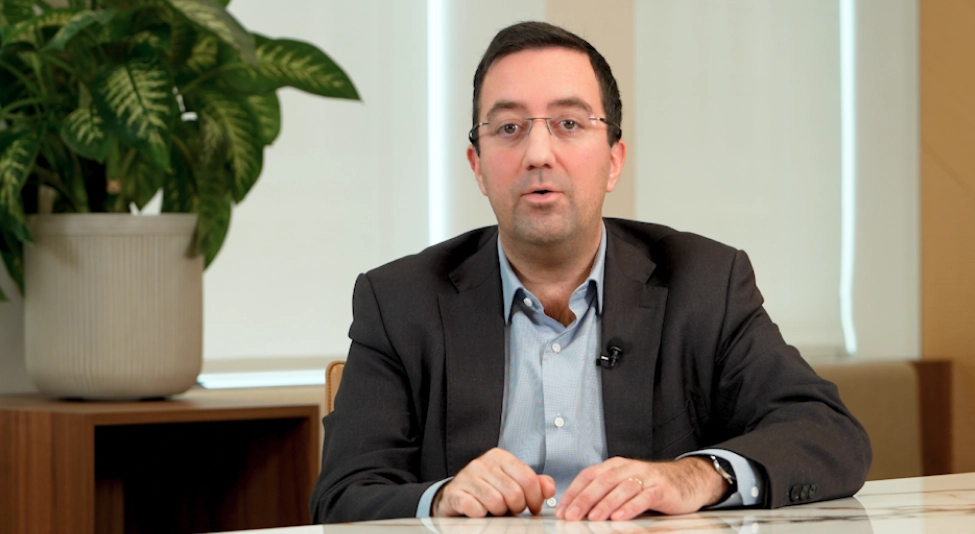
Antoine Levy, an associate professor at Berkeley and an MIT graduate, makes a blunt assessment: as baby boomers retire, the ratio of contributors to pensioners is deteriorating to the point where the working population is being required to pay nearly 28 percent in contributions—which are insufficient to cover expenditures amounting to approximately 14 percent of GDP. From this, he proposes a two-tier model: a pay-as-you-go foundation refocused on poverty alleviation, and a funded pillar on top of that, allowing individuals to adjust their savings efforts throughout their life cycle. The tools already exist, he points out: the Retirement Savings Plan (Plan d’Épargne Retraite) is a carbon copy of the American 401(k). The real challenge lies elsewhere—in the available capacity to save and in directing those savings toward long-term productive assets.
This is where private equity comes into play. It provides access to segments of the economy not represented in public markets—focusing on small and medium-sized enterprises (SMEs), mid-market companies, and growth-stage firms—and enables these companies to tap into capital markets from which they are otherwise excluded due to the fixed costs of going public. Antoine Levy sees this as a growth accelerator and a lever for fostering the emergence of European champions, provided that financial literacy is promoted and competition among asset managers is strengthened.
Other content in the series



--Comprendre-l%2525E2%252580%252599appe%2525CC%252581tence-des-investisseurs-1.webp)
%252520-%252520les%252520avantages%252520a%2525CC%252580%252520investir%2525202.webp)
%252520-%252520les%252520avantages%252520a%2525CC%252580%252520investir%2525201.webp)


.webp)