
Pittsburgh is a city of neighborhoods, each with its own history. From Bloomfield to South Side, Shadyside to Homewood, residents want to know what's happening in their neighborhood. Who is building, what work is underway, and whether safety regulations are being followed. Pittsburgh residents have a reputation for being "nebby," meaning curious, but above all very attached to their community and its smooth functioning. The city's public data systems, which are essential to the day-to-day functioning of services, had become fragile. The tool used until then to circulate data no longer met Pittsburgh's needs. Updates took a long time and technical problems monopolized a very small team.
Astronomer has therefore enabled the city to secure the foundation on which its data rests. The American company's solution automates data circulation, greatly reduces the risk of failure, and removes all technical complexity for municipal teams. The city in the eastern United States is now much less dependent on manual handling, which reduces day-to-day operational stress and allows tools to evolve without having to rebuild everything at each new stage.
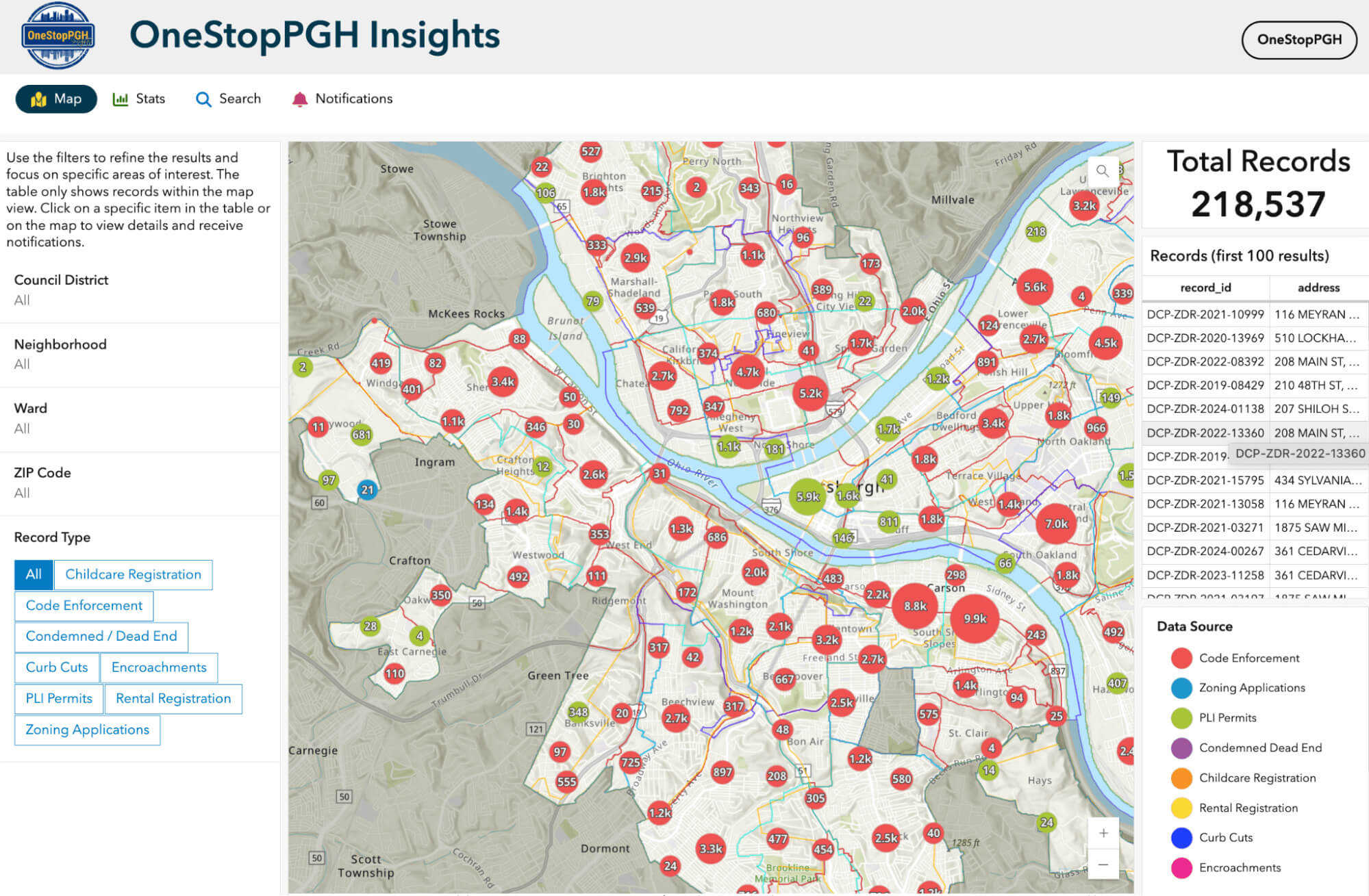
Pittsburgh chose Astronomer because it needed to make its data reliable before opening it up to the public, had a small team to manage complex systems, and was looking for a solution that could operate over the long term and adapt to new uses. Astronomer's solution ensures that information produced by municipal services (building permits, inspections, citizen reports, etc.) is collected, updated, and published without interruption. City teams no longer need to constantly monitor or repair the system. Thanks to the American company, the OneStopPGH Insights project, initiated by the city, was able to get off the ground. Residents now have easy, up-to-date access to information about their neighborhood. They can check what is permitted, follow up on certain reported issues, or understand the city's decisions without having to go through complicated procedures at city hall.